
How Chemical Bonded Nonwoven Interlining Enhances Fabric Durability
Release time:
2025-09-01
How Chemical Bonded Nonwoven Interlining Enhances Fabric Durability
Understanding Chemical Bonded Nonwoven Interlining
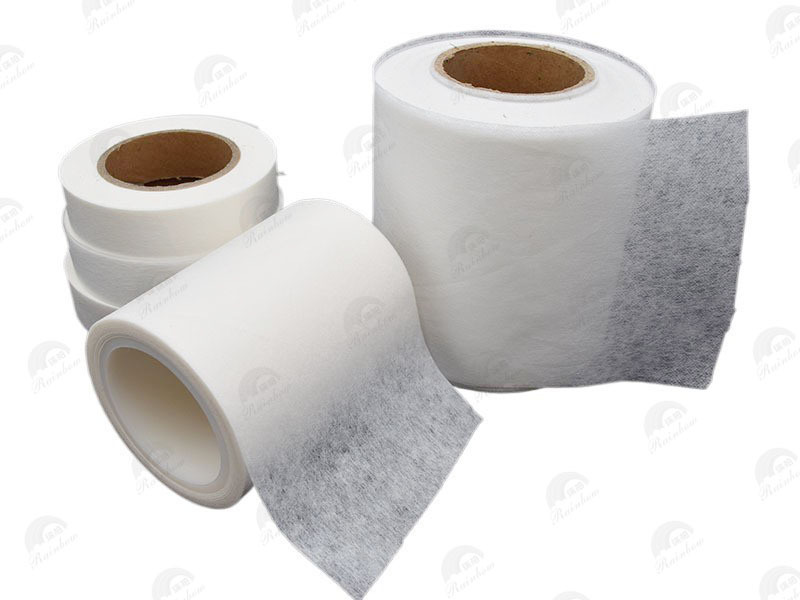
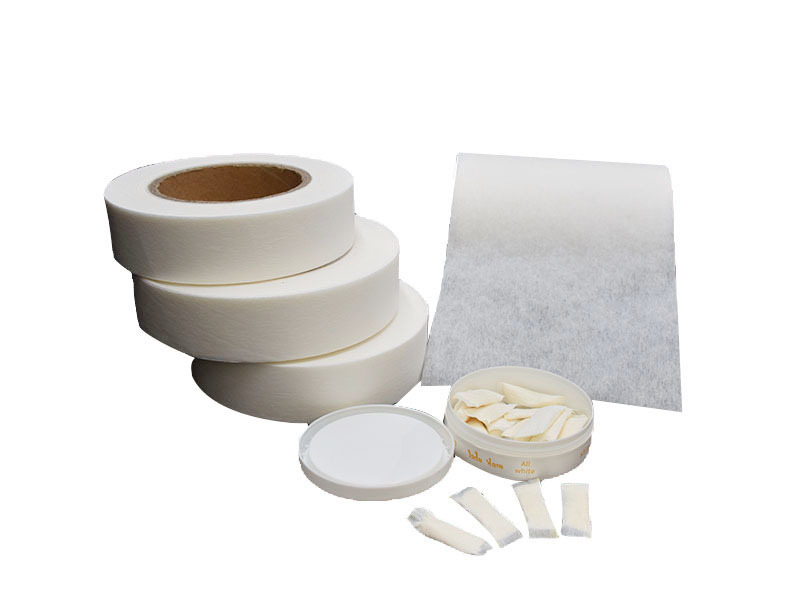
Chemical bonded nonwoven interlining is a revolutionary fabric enhancement that significantly improves fabric durability and overall performance. Unlike traditional interlining methods, which often use stitching or weaving, chemical bonding offers a more robust and cohesive solution. This process involves the application of adhesives that bond fibers together, resulting in a nonwoven fabric that is strong, flexible, and resistant to wear and tear.
The Importance of Fabric Durability in Textiles
In the textile industry, **fabric durability** is a crucial factor that influences not only the longevity of a garment but also its overall performance. Durable fabrics withstand regular use, maintain their shape, and resist environmental stressors such as UV rays, moisture, and abrasion. In an era where consumers demand high-quality, long-lasting products, integrating durable materials like chemical bonded nonwoven interlining can give manufacturers a competitive edge.
Key Benefits of Chemical Bonded Nonwoven Interlining
Chemical bonded nonwoven interlining presents numerous advantages that enhance fabric durability:
1. Superior Strength and Stability
By employing a chemical bonding process, this interlining provides superior strength and stability, making it less prone to degradation over time. Unlike woven alternatives that may unravel or weaken, the bond formed through chemical means ensures that the fibers remain intact.
2. Enhanced Flexibility
Durable fabrics need to maintain flexibility to allow for ease of movement. Chemical bonded nonwoven interlining enhances fabric flexibility without compromising strength, making it ideal for garments that require both durability and comfort.
3. Resistance to Environmental Factors
The chemical bonding process also enhances resistance to various environmental factors such as moisture, mildew, and UV rays. This resistance is essential for outdoor apparel, uniforms, and other textiles that are often exposed to harsh conditions.
4. Improved Aesthetic Appeal
In addition to functional benefits, chemical bonded nonwoven interlining improves the aesthetic appeal of garments. It helps maintain the shape of collars, cuffs, and hems, ensuring a polished and professional look even after extended wear.
Applications of Chemical Bonded Nonwoven Interlining
Chemical bonded nonwoven interlining finds applications across various sectors of the textile industry due to its versatile properties:
1. Fashion and Apparel
In the fashion industry, garments must not only look good but also stand the test of time. Designers often use chemical bonded nonwoven interlining in high-end clothing to enhance durability while maintaining a sleek appearance.
2. Upholstery and Home Textiles
In upholstery, the durability of fabrics is paramount. Chemical bonded nonwoven interlining is commonly used in furniture fabrics to improve their lifespan and maintain their original look through years of use.
3. Technical Textiles
Technical textiles, such as those used in automotive and aerospace applications, require exceptional durability and performance. Chemical bonded nonwoven interlining is employed to meet stringent industry standards, providing reliability in critical applications.
Technological Advancements in Chemical Bonded Nonwoven Interlining
Recent advancements in technology have further enhanced the effectiveness and application of chemical bonded nonwoven interlining:
1. Eco-Friendly Options
As sustainability becomes a top priority in the textile industry, manufacturers are developing eco-friendly chemical bonding agents. These innovations allow for durable fabrics that are also environmentally responsible, appealing to the growing demand for sustainable products.
2. Customization Capabilities
Advancements in manufacturing technology have made it easier to customize chemical bonded nonwoven interlining for specific applications. This means that manufacturers can tailor the properties of the interlining based on the end-use requirements, such as weight, thickness, and texture.
3. Enhanced Bonding Techniques
Innovative bonding techniques, such as laser and ultrasound bonding, are gaining traction. These methods offer precise control over the bonding process, resulting in more efficient production and improved fabric properties.
Considerations When Choosing Chemical Bonded Nonwoven Interlining
When selecting the appropriate chemical bonded nonwoven interlining for a project, several factors should be taken into account:
1. Fabric Compatibility
Not all interlinings are suitable for every type of fabric. It is essential to choose an interlining that complements the specific characteristics of the outer material to ensure optimal performance and durability.
2. Application Requirements
Consider the end-use of the fabric. Will it be exposed to moisture, heat, or heavy wear? Understanding the demands of the application will guide the selection of interlining with the necessary durability and resistance properties.
3. Cost-Effectiveness
While chemical bonded nonwoven interlining offers numerous advantages, it is essential to balance cost against performance. Assessing the long-term benefits of durability against the initial investment can help in making the right choice.
FAQs about Chemical Bonded Nonwoven Interlining
1. What is chemical bonded nonwoven interlining made of?
Chemical bonded nonwoven interlining is typically made from synthetic fibers such as polyester or polypropylene, which are bonded together using adhesives.
2. How does chemical bonding compare to traditional interlining methods?
Chemical bonding provides stronger, more durable, and flexible interlining compared to traditional methods like weaving or stitching, which can weaken over time.
3. Can chemical bonded nonwoven interlining be used for all types of fabrics?
While it is versatile, it’s crucial to choose the right interlining based on the compatibility with the outer fabric and its specific application requirements.
4. Is chemical bonded nonwoven interlining eco-friendly?
Many manufacturers are now producing eco-friendly options that utilize sustainable bonding agents. It’s essential to check the specifications of the product to ensure it meets sustainability standards.
5. How can I maintain fabrics with chemical bonded nonwoven interlining?
Proper care includes following washing instructions specific to the fabric, avoiding excessive heat, and ensuring the interlining is not subjected to harsh chemicals that could weaken the bond.
Conclusion
In conclusion, chemical bonded nonwoven interlining emerges as a game-changer in enhancing fabric durability across multiple textile applications. Its superior strength, flexibility, and resistance to environmental factors make it an invaluable component for manufacturers seeking to create high-quality, long-lasting products. The advancements in technology and the focus on eco-friendly options further solidify its place as a preferred choice in the industry. By adopting chemical bonded nonwoven interlining, textile producers can not only meet but exceed consumer expectations for durability and performance, ensuring their products remain competitive in a rapidly evolving market.
chemical bonded nonwoven interlining fabric
Latest News


Nantong Rainbow Nonwoven Tech Co.,Ltd.
Telephone:+86-13587673537 +86-15851257231
E-mail:chrislc717@163.com christy@ntrainbow.com
sales1@ntrainbow.com
Address: (No. 88, Sanzong South Road) Group 42, Xichansi Village, Xiting Town, Tongzhou District, Nantong City, Jiangsu Province

Copyright©2024 Nantong Rainbow Technology Co., Ltd. | Powered by www.300.cn
Copyright©2024 Nantong Rainbow Technology Co., Ltd.
Powered by www.300.cn