
Understanding Nonwoven Fusible Interlining: A Comprehensive Guide for Textile Professionals
Release time:
2025-08-29
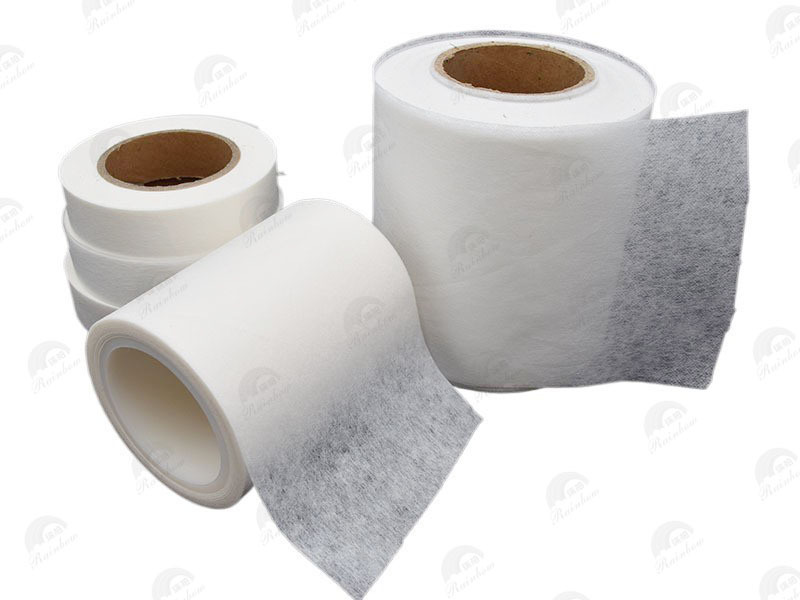
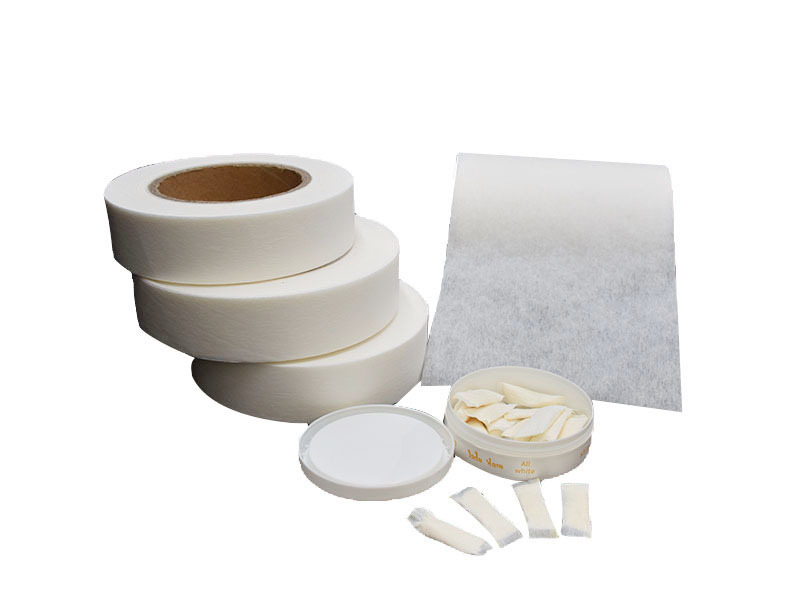
Nonwoven fusible interlining is an essential component in the textile industry, particularly in garment manufacturing. It serves as a crucial layer that adds structure and support to fabrics, making it a popular choice for enhancing the quality of various apparel items. This type of interlining is manufactured through a process that binds fibers together without the need for weaving, resulting in a lightweight and versatile material.
One of the primary benefits of nonwoven fusible interlining is its ability to bond seamlessly with outer fabrics when heat and pressure are applied. This bonding process provides stability to garments, helping to maintain their shape and improve their overall durability. As a result, this interlining is commonly used in collars, cuffs, waistbands, and other areas where additional support is required.
The versatility of nonwoven fusible interlining allows it to be used with a wide range of fabrics, including cotton, polyester, and blends. This makes it suitable for various types of garments, from casual wear to formal attire. Additionally, nonwoven fusible interlining can be produced in various weights and thicknesses, offering designers the flexibility to choose the right type for their specific needs.
Another advantage of this interlining is its ability to improve the fabric's drape and hand feel. By adding structure without adding significant weight, nonwoven fusible interlining enhances the aesthetic appeal of garments, allowing them to maintain a polished and professional appearance. This is particularly important in high-end fashion where fabric quality and garment presentation are crucial.
When selecting nonwoven fusible interlining, it is essential to consider the intended application and the type of fabric it will be bonded with. Factors such as the weight of the interlining, the type of adhesive used, and the temperature required for bonding can all influence the final product's quality. Moreover, conducting tests on samples before full-scale production can ensure compatibility and performance.
In summary, nonwoven fusible interlining is a vital element in the textile industry that significantly contributes to the quality and functionality of garments. Its unique properties enable it to provide support, enhance drape, and improve durability, making it a preferred choice among textile professionals. By understanding its characteristics and applications, businesses can leverage this material to create superior products that meet the evolving demands of the market.
One of the primary benefits of nonwoven fusible interlining is its ability to bond seamlessly with outer fabrics when heat and pressure are applied. This bonding process provides stability to garments, helping to maintain their shape and improve their overall durability. As a result, this interlining is commonly used in collars, cuffs, waistbands, and other areas where additional support is required.
The versatility of nonwoven fusible interlining allows it to be used with a wide range of fabrics, including cotton, polyester, and blends. This makes it suitable for various types of garments, from casual wear to formal attire. Additionally, nonwoven fusible interlining can be produced in various weights and thicknesses, offering designers the flexibility to choose the right type for their specific needs.
Another advantage of this interlining is its ability to improve the fabric's drape and hand feel. By adding structure without adding significant weight, nonwoven fusible interlining enhances the aesthetic appeal of garments, allowing them to maintain a polished and professional appearance. This is particularly important in high-end fashion where fabric quality and garment presentation are crucial.
When selecting nonwoven fusible interlining, it is essential to consider the intended application and the type of fabric it will be bonded with. Factors such as the weight of the interlining, the type of adhesive used, and the temperature required for bonding can all influence the final product's quality. Moreover, conducting tests on samples before full-scale production can ensure compatibility and performance.
In summary, nonwoven fusible interlining is a vital element in the textile industry that significantly contributes to the quality and functionality of garments. Its unique properties enable it to provide support, enhance drape, and improve durability, making it a preferred choice among textile professionals. By understanding its characteristics and applications, businesses can leverage this material to create superior products that meet the evolving demands of the market.
Nonwoven fusible interlining
Latest News


Nantong Rainbow Nonwoven Tech Co.,Ltd.
Telephone:+86-13587673537 +86-15851257231
E-mail:chrislc717@163.com christy@ntrainbow.com
sales1@ntrainbow.com
Address: (No. 88, Sanzong South Road) Group 42, Xichansi Village, Xiting Town, Tongzhou District, Nantong City, Jiangsu Province

Copyright©2024 Nantong Rainbow Technology Co., Ltd. | Powered by www.300.cn
Copyright©2024 Nantong Rainbow Technology Co., Ltd.
Powered by www.300.cn