
Exploring the Versatility of Chemical Bonded Nonwoven Interlining Fabric: A Comprehensive Guide
Release time:
2025-08-24
Exploring the Versatility of Chemical Bonded Nonwoven Interlining Fabric
In the textile industry, the quest for materials that offer both durability and adaptability is ever-present. One such remarkable innovation is chemical bonded nonwoven interlining fabric. This fabric type is not only versatile but also plays a crucial role in enhancing the quality and longevity of garments and other textile products. In this article, we explore the multifaceted nature of chemical bonded nonwoven interlining fabric, its applications, benefits, and trends shaping its future.
Table of Contents
- 1. What is Chemical Bonded Nonwoven Interlining Fabric?
- 2. Key Properties of Chemical Bonded Nonwoven Fabric
- 3. Applications in the Fashion Industry
- 4. Home Furnishings Using Nonwoven Interlining
- 5. Industrial Uses of Nonwoven Interlining
- 6. Benefits of Using Chemical Bonded Nonwoven Interlining
- 7. Sustainability in Nonwoven Interlining Production
- 8. Future Trends in Nonwoven Interlining Fabric
- 9. FAQs
- 10. Conclusion
1. What is Chemical Bonded Nonwoven Interlining Fabric?
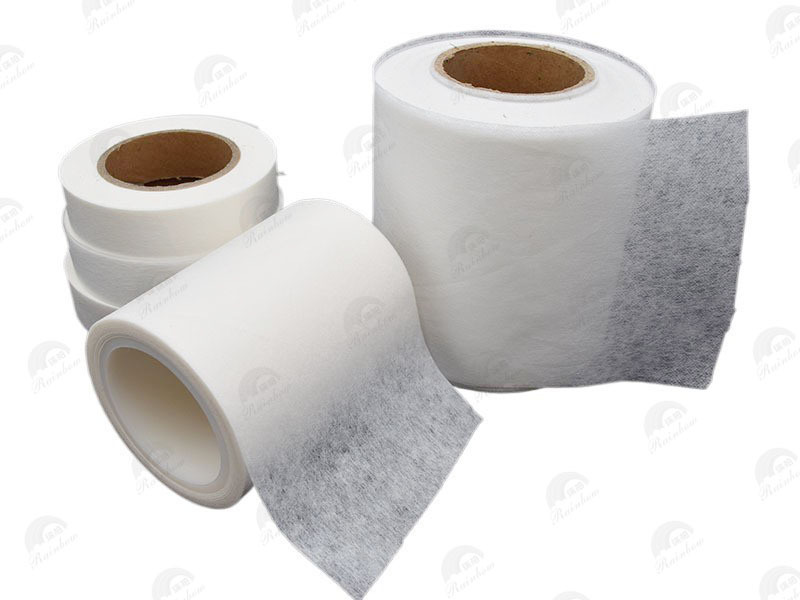
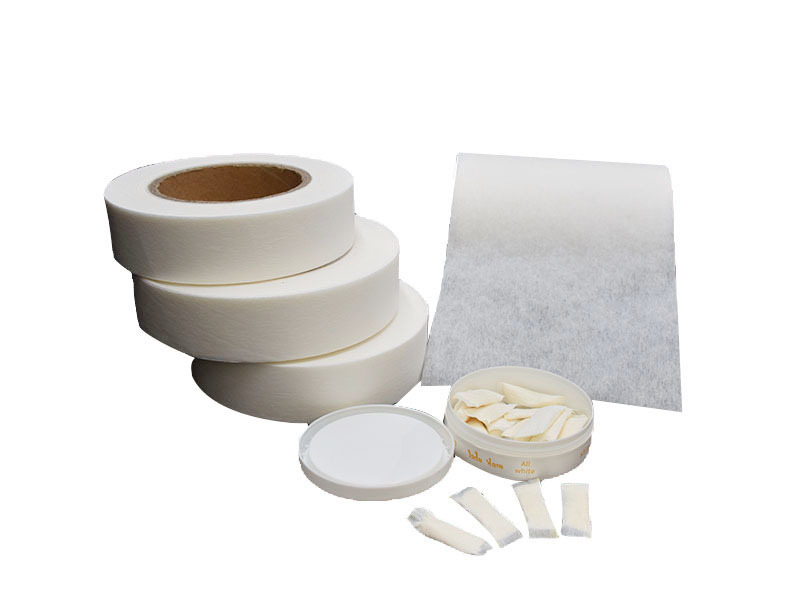
Chemical bonded nonwoven interlining fabric is a textile material created through the bonding of fibers using chemical adhesives instead of traditional weaving or knitting methods. This innovative approach results in a fabric that is lightweight, yet strong and durable. Often used as a supporting layer in garments, this fabric enhances the structure of clothing, offering necessary rigidity without compromising comfort.
Nonwoven fabrics are formed from a variety of fibers, including polyester, viscose, and cotton. The chemical bonding process allows for the creation of intricate patterns and textures, enhancing both aesthetic appeal and functional performance. As a result, chemical bonded nonwoven interlining has become a staple in various sectors, especially in the fashion industry.
2. Key Properties of Chemical Bonded Nonwoven Fabric
The versatility of chemical bonded nonwoven interlining fabric stems from its unique properties, including:
2.1 Lightweight and Breathable
Nonwoven interlining is remarkably lightweight, ensuring that garments remain comfortable without adding unnecessary bulk. Its breathable nature allows air circulation, which is essential for maintaining comfort in clothing.
2.2 Excellent Strength and Durability
Chemical bonding provides superior strength compared to traditional fabrics, allowing for enhanced durability. This makes it ideal for garments subject to frequent wear and tear, as well as for items requiring a more structured shape.
2.3 Versatile Adhesion
The adhesive used in bonding can be tailored to provide varying levels of tackiness and flexibility, allowing designers to customize the interlining based on specific garment requirements.
2.4 Variety of Textures and Patterns
The production process allows manufacturers to create a wide range of textures, patterns, and colors, enabling designers to incorporate unique aesthetics into their collections.
3. Applications in the Fashion Industry
Chemical bonded nonwoven interlining fabric plays a pivotal role in the fashion industry. Here are some key applications:
3.1 Shirt Collars and Cuffs
Nonwoven interlining is often used in shirt collars and cuffs to provide structure and shape, offering a polished appearance while maintaining comfort for the wearer.
3.2 Suit Jackets
In suit jackets, interlining is crucial for creating a tailored fit. It adds body and stability to the fabric, ensuring the garment maintains its shape and drape.
3.3 Dresses and Blouses
Designers use nonwoven interlining for dresses and blouses to enhance the silhouette, providing support in areas such as bodices and hems without sacrificing the overall drape of the fabric.
4. Home Furnishings Using Nonwoven Interlining
The versatility of chemical bonded nonwoven interlining extends beyond apparel into home furnishings, where it is employed in various applications:
4.1 Upholstery
Nonwoven interlining is used in upholstery to reinforce fabrics, providing additional durability and support in furniture items.
4.2 Curtains and Drapes
In window treatments, chemical bonded nonwoven interlining helps curtains and drapes maintain their shape and fall beautifully, enhancing their aesthetic appeal.
4.3 Bedding
This fabric can also be found in bedding products, contributing to comfort and durability in items such as mattress covers and bed linens.
5. Industrial Uses of Nonwoven Interlining
Beyond fashion and home decor, chemical bonded nonwoven interlining has several industrial applications:
5.1 Automotive Textiles
In the automotive industry, nonwoven interlining is utilized for headliners, seat covers, and insulation materials, where its lightweight and durable properties are essential.
5.2 Medical Textiles
This fabric is also leveraged in medical applications, such as surgical gowns and drapes, where hygiene and durability are paramount.
5.3 Protective Clothing
In environments requiring safety and protection, nonwoven interlining is incorporated into protective clothing to provide resistance against hazardous materials and conditions.
6. Benefits of Using Chemical Bonded Nonwoven Interlining
Choosing chemical bonded nonwoven interlining fabric offers numerous benefits:
6.1 Cost-Effectiveness
The manufacturing process of nonwoven fabrics often results in lower production costs, making them an economical choice for designers and manufacturers.
6.2 Time Efficiency
With faster production times compared to woven fabrics, nonwoven interlining can significantly reduce lead times in garment production.
6.3 Enhanced Performance
This fabric provides superior performance in terms of durability and comfort, ensuring high-quality end products that meet consumer demands.
7. Sustainability in Nonwoven Interlining Production
As the textile industry continues to evolve, sustainability has become a key focus. Chemical bonded nonwoven interlining fabric is being produced with environmentally friendly practices:
7.1 Recyclable Materials
Many manufacturers are now utilizing recyclable fibers in the production of nonwoven fabrics, reducing waste and promoting a circular economy.
7.2 Eco-Friendly Adhesives
Innovative adhesive technologies are being developed to minimize the environmental impact, ensuring that nonwoven interlining meets sustainability standards.
7.3 Reduced Water Usage
The production of nonwoven fabrics typically requires less water than traditional textile manufacturing processes, contributing to a lower environmental footprint.
8. Future Trends in Nonwoven Interlining Fabric
Looking ahead, several trends are poised to shape the future of chemical bonded nonwoven interlining:
8.1 Smart Fabrics
The integration of technology into textiles is on the rise, and nonwoven interlining is no exception. Smart fabrics that can adapt to environmental conditions are expected to gain popularity.
8.2 Customization and Personalization
As consumer demand for unique and personalized products increases, we anticipate a rise in custom nonwoven interlining options tailored to specific design needs.
8.3 Increased Focus on Recycling
With sustainability at the forefront, manufacturers will likely invest in more advanced recycling technologies, ensuring that nonwoven interlining can be reused and repurposed effectively.
9. FAQs
9.1 What is the main advantage of chemical bonded nonwoven interlining fabric?
The main advantage lies in its combination of strength and lightweight properties, making it an ideal choice for enhancing garment structure without adding bulk.
9.2 How is chemical bonded nonwoven interlining produced?
This fabric is produced by bonding fibers together using a chemical adhesive, which allows for greater design flexibility and performance characteristics.
9.3 Can chemical bonded nonwoven interlining be recycled?
Yes, many nonwoven fabrics can be made from recyclable materials, and manufacturers are increasingly adopting eco-friendly practices.
9.4 What industries utilize nonwoven interlining fabrics?
Chemical bonded nonwoven interlining is used in various industries, including fashion, home furnishings, automotive, and medical textiles.
9.5 How does nonwoven interlining contribute to garment durability?
Nonwoven interlining enhances the durability of garments by providing structure and stability, which helps them withstand wear and tear over time.
10. Conclusion
Chemical bonded nonwoven interlining fabric stands out as a revolutionary material in the textile industry, offering unmatched versatility and performance. From enhancing the quality of fashion garments to serving essential roles in home furnishings and industrial applications, its benefits are numerous. As we move forward, the focus on sustainability and technological innovation will continue to shape its development. By understanding the properties and applications of this remarkable fabric, designers and manufacturers can harness its potential to elevate their products and meet the evolving demands of consumers.
chemical bonded nonwoven interlining fabric
Latest News


Nantong Rainbow Nonwoven Tech Co.,Ltd.
Telephone:+86-13587673537 +86-15851257231
E-mail:chrislc717@163.com christy@ntrainbow.com
sales1@ntrainbow.com
Address: (No. 88, Sanzong South Road) Group 42, Xichansi Village, Xiting Town, Tongzhou District, Nantong City, Jiangsu Province

Copyright©2024 Nantong Rainbow Technology Co., Ltd. | Powered by www.300.cn
Copyright©2024 Nantong Rainbow Technology Co., Ltd.
Powered by www.300.cn