
The Benefits of Using Chemical Bonded Nonwoven Interlining in Textile Manufacturing
Release time:
2025-08-16
The Benefits of Using Chemical Bonded Nonwoven Interlining in Textile Manufacturing
Table of Contents
1. Introduction to Chemical Bonded Nonwoven Interlining
2. Understanding Nonwoven Fabrics
2.1 What Are Nonwoven Fabrics?
2.2 Types of Nonwoven Fabrics
3. The Role of Chemical Bonding in Nonwoven Interlining
4. Key Benefits of Chemical Bonded Nonwoven Interlining
4.1 Enhanced Durability and Performance
4.2 Versatility Across Different Applications
4.3 Lightweight Nature and Comfort
4.4 Cost-Effectiveness and Efficiency
5. Applications in Textile Manufacturing
5.1 Fashion and Apparel Industry
5.2 Home Textile Products
5.3 Automotive Industry
6. Environmental Considerations and Sustainability
6.1 Eco-Friendly Manufacturing Processes
6.2 Recycling and Disposal of Nonwoven Materials
7. Choosing the Right Nonwoven Interlining for Your Needs
8. Future Trends in Nonwoven Interlining
9. Frequently Asked Questions (FAQs)
10. Conclusion
1. Introduction to Chemical Bonded Nonwoven Interlining
In the fast-evolving world of textile manufacturing, the materials used play a crucial role in determining the quality and functionality of the final product. One significant advancement in this field is the emergence of **chemical bonded nonwoven interlining**. This innovative material not only enhances the overall durability of textiles but also provides a range of benefits that can elevate the standards of production.
2. Understanding Nonwoven Fabrics
2.1 What Are Nonwoven Fabrics?
Nonwoven fabrics are engineered textiles made by bonding fibers together, instead of weaving or knitting them. This process results in a product that can be tailored for various applications, offering unique properties that woven and knitted fabrics may not provide. Nonwovens are used in a multitude of industries, ranging from hygiene products to specialized industrial applications.
2.2 Types of Nonwoven Fabrics
There are several types of nonwoven fabrics, each with its own manufacturing process and characteristics. Among them are:
- **Spunbond:** Created by spinning fibers and bonding them through heat and pressure.
- **Needle-Punched:** Made by mechanically entangling fibers using barbed needles.
- **Chemical Bonded:** Utilizes adhesives to bond fibers together, which enhances the fabric's performance and durability.
3. The Role of Chemical Bonding in Nonwoven Interlining
Chemical bonding involves the use of adhesives to interlace fibers, producing a nonwoven fabric that exhibits superior strength and resilience. This method allows manufacturers to achieve specific characteristics, such as water resistance, fire retardance, and enhanced texture, making chemical bonded nonwoven interlining a versatile choice for various textile applications.
4. Key Benefits of Chemical Bonded Nonwoven Interlining
As textile manufacturers seek to optimize their products, the benefits of **chemical bonded nonwoven interlining** become increasingly apparent. Here are the key advantages:
4.1 Enhanced Durability and Performance
Chemical bonded nonwoven interlining exhibits remarkable durability. This is primarily due to the strong bonding of fibers through adhesives. As a result, it can withstand wear and tear, making it ideal for high-traffic areas in fashion and upholstery.
4.2 Versatility Across Different Applications
The versatility of chemical bonded nonwoven interlining allows it to be used in a wide range of applications. From garments to home textiles, this material adapts well to various needs. Its ability to provide structure and support while maintaining a soft hand feel makes it suitable for everything from casual wear to formal attire.
4.3 Lightweight Nature and Comfort
Despite its strength, chemical bonded nonwoven interlining is lightweight, which enhances the comfort of garments. This characteristic is especially important in fashion, where wearability is key. The lightweight nature ensures that garments do not feel bulky or restrictive, allowing for ease of movement.
4.4 Cost-Effectiveness and Efficiency
Implementing chemical bonded nonwoven interlining can lead to significant cost savings for manufacturers. The efficiency of the bonding process reduces production time and labor costs while maintaining high-quality standards. Furthermore, the longevity of products leads to fewer replacements, enhancing overall profitability.
5. Applications in Textile Manufacturing
Chemical bonded nonwoven interlining finds applications in various sectors within textile manufacturing.
5.1 Fashion and Apparel Industry
In the fashion industry, nonwoven interlining is used to provide structure to garments, helping maintain their shape and fit. It is commonly applied in collars, cuffs, and waistbands, enhancing the aesthetic appeal while ensuring durability.
5.2 Home Textile Products
For home textiles, such as curtains and upholstery, chemical bonded nonwoven interlining offers both functional and decorative benefits. It adds body to fabrics, making them look more luxurious while contributing to their longevity.
5.3 Automotive Industry
In the automotive sector, nonwoven interlining serves multiple functions, from insulation to soundproofing. It helps improve the overall comfort of vehicles while contributing to noise reduction, making it a critical component in modern automotive design.
6. Environmental Considerations and Sustainability
As industries shift towards sustainable practices, the production and disposal of materials like chemical bonded nonwoven interlining must be evaluated.
6.1 Eco-Friendly Manufacturing Processes
Manufacturers are increasingly adopting eco-friendly practices in the production of nonwoven interlining. This includes the use of biodegradable adhesives and renewable materials, reducing the environmental impact of textile manufacturing.
6.2 Recycling and Disposal of Nonwoven Materials
Nonwoven fabrics can be challenging to recycle due to their composite nature. However, advancements in recycling technologies are improving the sustainability of chemical bonded nonwoven interlining. Manufacturers are exploring ways to repurpose these materials, contributing to a circular economy in textiles.
7. Choosing the Right Nonwoven Interlining for Your Needs
Selecting the appropriate type of chemical bonded nonwoven interlining requires a thorough understanding of the intended application. Factors to consider include thickness, weight, adhesive type, and desired performance characteristics. Collaborating with suppliers who specialize in nonwoven materials can ensure that you choose the best option for your specific needs.
8. Future Trends in Nonwoven Interlining
The future of chemical bonded nonwoven interlining looks promising, with ongoing research and development paving the way for innovative products. Emerging trends include the integration of smart textiles, enhanced moisture management properties, and further advancements in sustainability practices. These innovations will continue to expand the applications and benefits of nonwoven interlining in textile manufacturing.
9. Frequently Asked Questions (FAQs)
1. What is chemical bonded nonwoven interlining?
Chemical bonded nonwoven interlining is a type of fabric made by bonding fibers using adhesives, resulting in a strong, durable material commonly used in textile manufacturing.
2. How does chemical bonding improve fabric performance?
Chemical bonding enhances fabric performance by creating a strong bond between fibers, leading to increased durability, moisture resistance, and overall strength.
3. Can chemical bonded nonwoven interlining be recycled?
While recycling chemical bonded nonwoven interlining can be challenging, advancements in recycling technologies are making it increasingly feasible to repurpose these materials.
4. What industries use chemical bonded nonwoven interlining?
Chemical bonded nonwoven interlining is utilized in various industries, including fashion, home textiles, and automotive manufacturing, due to its versatile properties.
5. How do I choose the right nonwoven interlining for my project?
When selecting nonwoven interlining, consider factors such as the intended application, thickness, weight, and desired performance characteristics. Consulting with suppliers can also provide valuable insights.
10. Conclusion
In conclusion, **chemical bonded nonwoven interlining** represents a significant advancement in textile manufacturing. Its unique combination of durability, versatility, and cost-effectiveness makes it an ideal choice for various applications across multiple industries. As manufacturers continue to prioritize sustainability and innovation, the benefits of this material will only increase, solidifying its place in the future of textile production. By understanding and implementing chemical bonded nonwoven interlining, businesses can enhance their product quality, improve operational efficiency, and stay ahead in a competitive market.
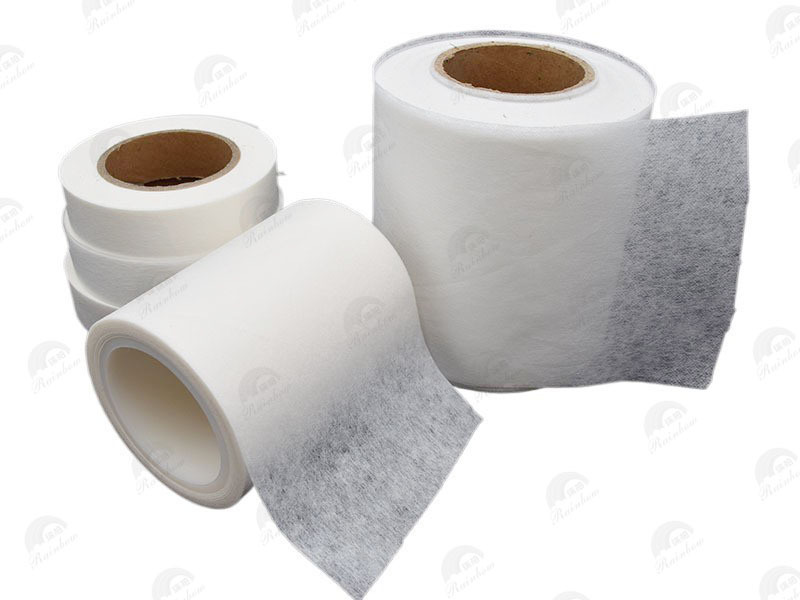
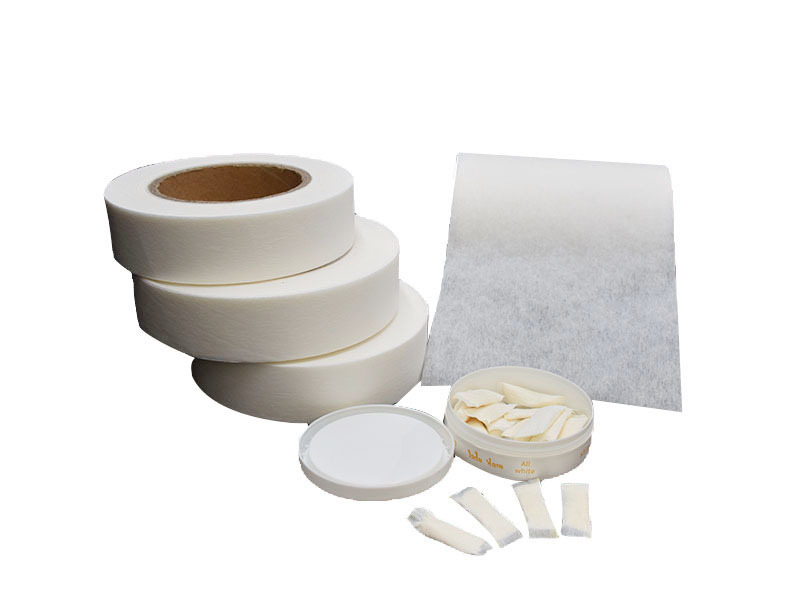
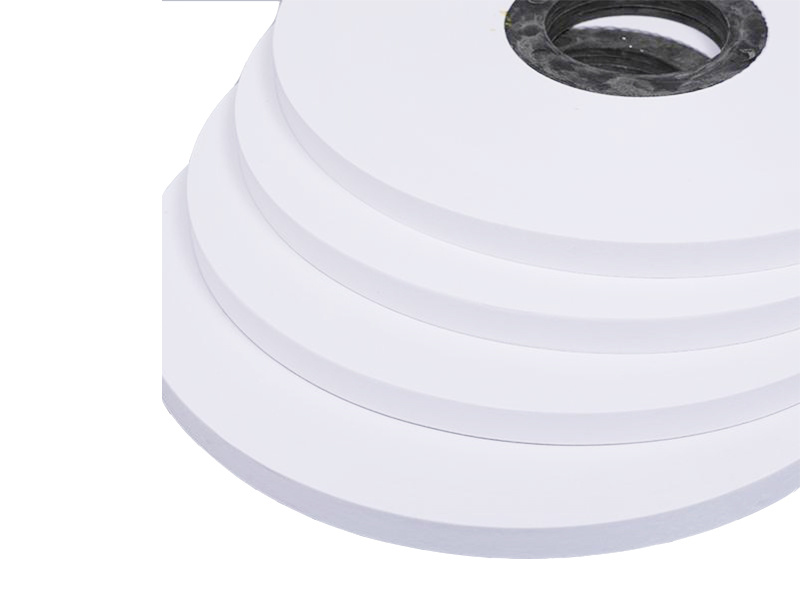
chemical bonded nonwoven interlining fabric
Latest News


Nantong Rainbow Nonwoven Tech Co.,Ltd.
Telephone:+86-13587673537 +86-15851257231
E-mail:chrislc717@163.com christy@ntrainbow.com
sales1@ntrainbow.com
Address: (No. 88, Sanzong South Road) Group 42, Xichansi Village, Xiting Town, Tongzhou District, Nantong City, Jiangsu Province

Copyright©2024 Nantong Rainbow Technology Co., Ltd. | Powered by www.300.cn
Copyright©2024 Nantong Rainbow Technology Co., Ltd.
Powered by www.300.cn