
A Deep Dive into the Properties of GRS Nonwoven Fabric
Release time:
2025-08-10
A Deep Dive into the Properties of GRS Nonwoven Fabric
In the ever-evolving landscape of textiles, GRS nonwoven fabric stands out as a remarkable innovation that combines sustainability with functionality. As industries increasingly prioritize environmentally friendly materials, understanding the properties and applications of GRS nonwoven fabric has become essential. This article delves deep into the fascinating world of GRS nonwoven fabric, exploring its unique characteristics, advantages, and potential uses across various sectors.
Table of Contents
- 1. Understanding GRS Nonwoven Fabric
- 2. Properties of GRS Nonwoven Fabric
- 3. Sustainability and Eco-Friendliness
- 4. Applications of GRS Nonwoven Fabric
- 5. Advantages of Using GRS Nonwoven Fabric
- 6. GRS Certification Standards
- 7. The Future of GRS Nonwoven Fabric
- 8. Frequently Asked Questions
1. Understanding GRS Nonwoven Fabric
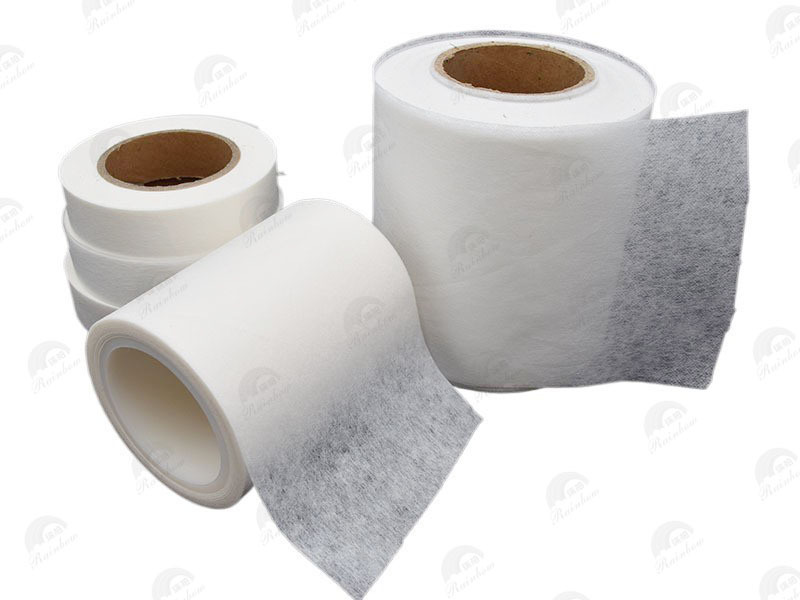
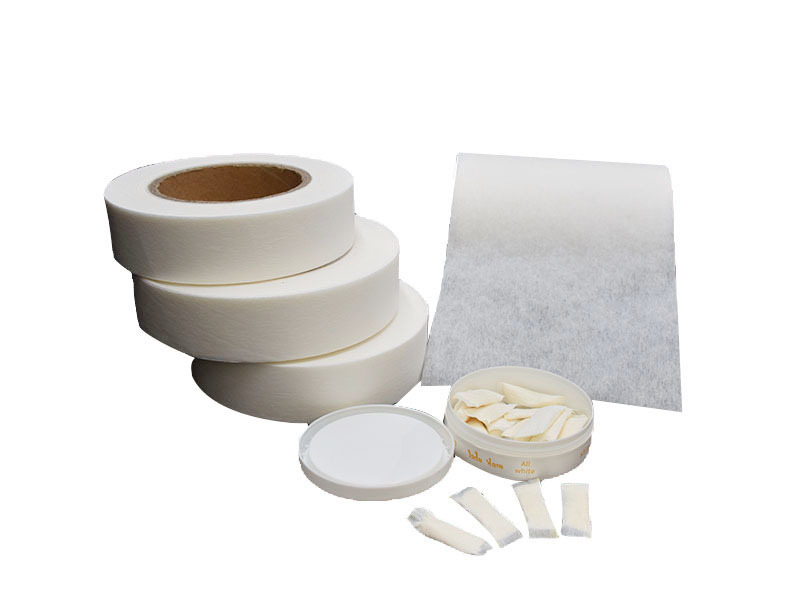
GRS nonwoven fabric refers to a type of textile derived from recycled materials that adhere to the Global Recycled Standard. This fabric is produced without traditional weaving or knitting processes, instead utilizing techniques such as bonding, felting, or gluing fibers together. This results in a fabric that is both durable and versatile, making it suitable for a wide range of applications.
Given the increasing demand for sustainable products, GRS nonwoven fabric has gained popularity in various industries, including automotive, healthcare, and home décor. Its ability to integrate recycled materials helps reduce waste and promotes the circular economy.
2. Properties of GRS Nonwoven Fabric
2.1 Composition
GRS nonwoven fabric is primarily composed of recycled fibers, which can include PET (polyethylene terephthalate), polypropylene, and other synthetic materials. The composition directly influences the fabric's strength, durability, and texture. By utilizing recycled materials, GRS nonwoven fabric not only conserves resources but also minimizes the carbon footprint associated with traditional textile production.
2.2 Strength and Durability
One of the standout properties of GRS nonwoven fabric is its exceptional strength and durability. This fabric is engineered to withstand various stresses, making it ideal for applications requiring robust materials. Whether used in automotive interiors or medical supplies, GRS nonwoven fabric excels in providing long-lasting performance under challenging conditions.
2.3 Breathability and Moisture Management
GRS nonwoven fabric is designed to be breathable, allowing air circulation while also managing moisture. This property is particularly beneficial in applications such as hygiene products, where moisture control is crucial for comfort and performance. The fabric's ability to wick moisture away from the skin enhances its suitability for personal care and medical uses.
2.4 Lightweight and Flexible
Despite its strength, GRS nonwoven fabric remains lightweight and flexible. This characteristic makes it easy to handle, transport, and process, which is particularly advantageous in manufacturing settings. The flexibility of GRS nonwoven fabric also allows it to be molded into various shapes and sizes, catering to diverse design requirements.
3. Sustainability and Eco-Friendliness
3.1 Recycled Content
The hallmark of GRS nonwoven fabric is its commitment to sustainability through recycled content. By repurposing waste materials, GRS nonwoven fabric helps reduce landfill contributions and conserves natural resources. This aligns with global efforts to promote sustainable manufacturing practices and mitigate environmental impact.
3.2 Biodegradability and Recycling
While GRS nonwoven fabric primarily consists of synthetic materials, advancements in technology are paving the way for more biodegradable options. Manufacturers are increasingly focused on developing GRS nonwoven fabrics that can break down naturally over time, contributing to a more sustainable lifecycle.
3.3 Reduced Water and Energy Consumption
Producing GRS nonwoven fabric typically requires less water and energy compared to traditional textile manufacturing processes. This reduction significantly lowers the environmental footprint of the fabric, making it an appealing choice for eco-conscious brands and consumers alike.
4. Applications of GRS Nonwoven Fabric
4.1 Healthcare and Hygiene Products
One of the most significant applications of GRS nonwoven fabric lies in the healthcare sector. Its strength, breathability, and moisture management properties make it ideal for surgical gowns, masks, and other hygiene products. The fabric's ability to be sterilized further enhances its appeal for medical use.
4.2 Automotive Industry
In the automotive industry, GRS nonwoven fabric is used for interior linings, sound insulation, and filtration systems. The fabric's lightweight and durable nature contributes to vehicle efficiency and comfort, making it a valuable material for manufacturers aiming to produce high-quality vehicles.
4.3 Home Textiles and Furnishings
GRS nonwoven fabric is also gaining traction in home textiles and furnishings. Its aesthetic versatility allows it to be used in curtains, upholstery, and cushions. Additionally, the fabric's eco-friendly properties appeal to consumers seeking sustainable home décor options.
4.4 Agriculture and Horticulture
In agriculture, GRS nonwoven fabric can serve various functions, such as weed control, soil stabilization, and plant protection. Its breathable nature allows for optimal air and moisture exchange, making it suitable for use in greenhouses and nurseries.
5. Advantages of Using GRS Nonwoven Fabric
5.1 Cost-Effectiveness
GRS nonwoven fabric presents a cost-effective solution in many applications. The reduced manufacturing costs associated with recycled materials translate to competitive pricing for end-users. This economic advantage encourages more businesses to adopt GRS nonwoven fabric in their products.
5.2 Versatility
The versatility of GRS nonwoven fabric is one of its most appealing attributes. It can be engineered to meet specific performance requirements, making it suitable for various applications across multiple industries. This adaptability means that manufacturers can customize the fabric to align with their product specifications.
5.3 Enhanced Performance Features
With advances in technology, GRS nonwoven fabric can incorporate additional performance features, such as antimicrobial properties, UV resistance, and fire retardancy. These enhancements broaden the scope of applications, providing manufacturers with more options to meet consumer demands.
6. GRS Certification Standards
To be labeled as GRS certified, a product must meet specific criteria established by the Global Recycled Standard. This certification ensures that the fabric consists of a minimum percentage of recycled materials and adheres to environmentally responsible practices throughout its lifecycle. The certification process involves rigorous audits and continuous monitoring, providing assurance to consumers and manufacturers alike.
7. The Future of GRS Nonwoven Fabric
As sustainability continues to shape the textile industry, the future of GRS nonwoven fabric looks promising. Ongoing research and development efforts aim to enhance the properties of this fabric, making it even more appealing for various applications. With increasing consumer awareness and demand for eco-friendly materials, GRS nonwoven fabric is poised to play a pivotal role in the transition towards sustainable textiles.
8. Frequently Asked Questions
8.1 What is GRS nonwoven fabric made from?
GRS nonwoven fabric is primarily made from recycled materials such as PET, polypropylene, and other synthetic fibers. This composition contributes to its sustainability and eco-friendly properties.
8.2 What are the key benefits of using GRS nonwoven fabric?
The key benefits include sustainability through recycled content, exceptional strength and durability, breathability, moisture management, and cost-effectiveness, making it suitable for various applications.
8.3 Is GRS nonwoven fabric biodegradable?
While GRS nonwoven fabric is primarily made from synthetic materials, advancements in technology are leading to more biodegradable options. Manufacturers are working on developing fabrics that can break down naturally over time.
8.4 What industries use GRS nonwoven fabric?
GRS nonwoven fabric is used in various industries, including healthcare, automotive, home textiles, agriculture, and horticulture, due to its versatile properties.
8.5 How can I ensure a product is GRS certified?
To ensure a product is GRS certified, look for the GRS label or certification on the product packaging. This certification guarantees that the product meets the standards for recycled content and environmentally responsible practices.
Conclusion
GRS nonwoven fabric embodies the future of sustainable textiles, merging eco-friendly properties with remarkable performance features. Its diverse applications across multiple industries make it a material of choice for manufacturers aiming to align with environmentally responsible practices. As we continue to navigate the challenges of climate change and resource conservation, GRS nonwoven fabric stands out as a beacon of innovation, paving the way for a more sustainable future in the textile industry.
GRS Nonwoven Fabric
Latest News


Nantong Rainbow Nonwoven Tech Co.,Ltd.
Telephone:+86-13587673537 +86-15851257231
E-mail:chrislc717@163.com christy@ntrainbow.com
sales1@ntrainbow.com
Address: (No. 88, Sanzong South Road) Group 42, Xichansi Village, Xiting Town, Tongzhou District, Nantong City, Jiangsu Province

Copyright©2024 Nantong Rainbow Technology Co., Ltd. | Powered by www.300.cn
Copyright©2024 Nantong Rainbow Technology Co., Ltd.
Powered by www.300.cn