
Understanding Chemical Bonded Nonwoven Interlining Fabric: A Technical Insight
Release time:
2025-08-07
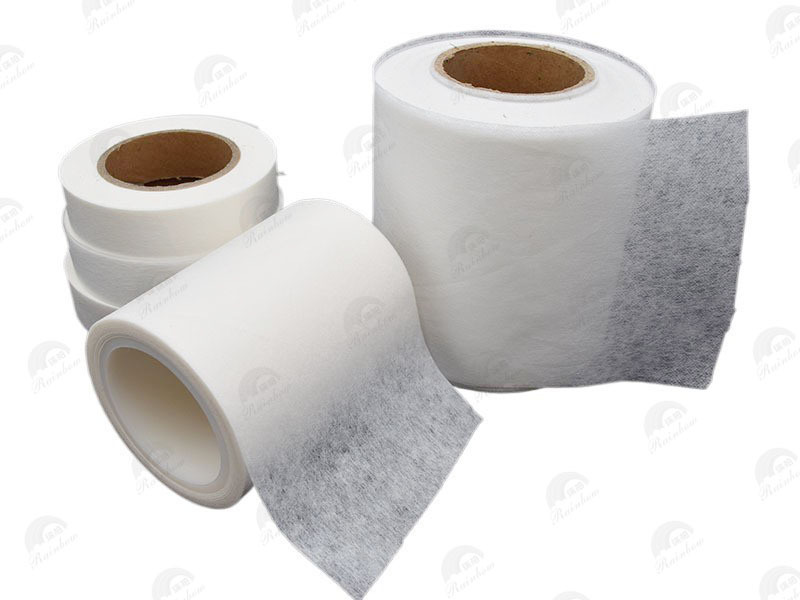
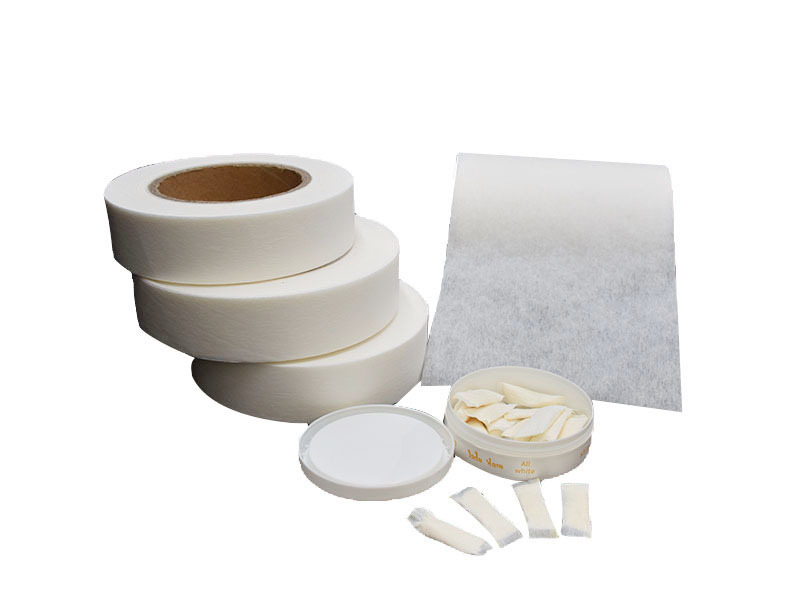
Chemical bonded nonwoven interlining fabric is an innovative solution that has gained significant traction in the textile industry, specifically in the realm of interlining applications. This type of fabric is produced by bonding fibers together using chemical adhesives, rather than through traditional weaving or knitting processes. The result is a fabric that combines strength, durability, and versatility, making it an essential material in garment construction and various textile products.
One of the primary advantages of chemical bonded nonwoven interlining fabric is its ability to provide excellent support and structure to garments. This fabric offers a range of stiffness levels, allowing manufacturers to choose the appropriate type for their specific application. For example, it can be used to reinforce collars, cuffs, and waistbands, ensuring that these areas maintain their shape and appearance throughout the life of the garment.
Additionally, chemical bonded nonwoven interlining fabric is known for its lightweight and breathable properties. This characteristic is particularly beneficial for garments that require comfort and ease of movement. The nonwoven construction allows for better airflow, which can enhance the overall wearability of the final product.
Another significant benefit is the fabric's resistance to fraying and tearing. Traditional woven fabrics can be prone to edge fraying, which can compromise the integrity and aesthetic of the garment. In contrast, chemical bonded nonwoven interlining fabric maintains its edges and structure, resulting in a cleaner finish. This durability is particularly advantageous in high-stress areas of clothing, where longevity is a key consideration.
The versatility of chemical bonded nonwoven interlining fabric extends beyond garment construction. It is also utilized in various applications such as home furnishings, automotive textiles, and industrial products. Its adaptability to different substrates and finishes makes it suitable for a broad range of uses, further emphasizing its importance in the textile industry.
In summary, chemical bonded nonwoven interlining fabric represents a significant advancement in the field of textile interlining. Its unique properties, including strength, lightweight nature, and resistance to fraying, make it an indispensable material for manufacturers looking to enhance the quality and performance of their products. As the industry continues to evolve, the demand for high-performance materials like chemical bonded nonwoven interlining fabric is expected to grow, further solidifying its role in modern textiles.
One of the primary advantages of chemical bonded nonwoven interlining fabric is its ability to provide excellent support and structure to garments. This fabric offers a range of stiffness levels, allowing manufacturers to choose the appropriate type for their specific application. For example, it can be used to reinforce collars, cuffs, and waistbands, ensuring that these areas maintain their shape and appearance throughout the life of the garment.
Additionally, chemical bonded nonwoven interlining fabric is known for its lightweight and breathable properties. This characteristic is particularly beneficial for garments that require comfort and ease of movement. The nonwoven construction allows for better airflow, which can enhance the overall wearability of the final product.
Another significant benefit is the fabric's resistance to fraying and tearing. Traditional woven fabrics can be prone to edge fraying, which can compromise the integrity and aesthetic of the garment. In contrast, chemical bonded nonwoven interlining fabric maintains its edges and structure, resulting in a cleaner finish. This durability is particularly advantageous in high-stress areas of clothing, where longevity is a key consideration.
The versatility of chemical bonded nonwoven interlining fabric extends beyond garment construction. It is also utilized in various applications such as home furnishings, automotive textiles, and industrial products. Its adaptability to different substrates and finishes makes it suitable for a broad range of uses, further emphasizing its importance in the textile industry.
In summary, chemical bonded nonwoven interlining fabric represents a significant advancement in the field of textile interlining. Its unique properties, including strength, lightweight nature, and resistance to fraying, make it an indispensable material for manufacturers looking to enhance the quality and performance of their products. As the industry continues to evolve, the demand for high-performance materials like chemical bonded nonwoven interlining fabric is expected to grow, further solidifying its role in modern textiles.
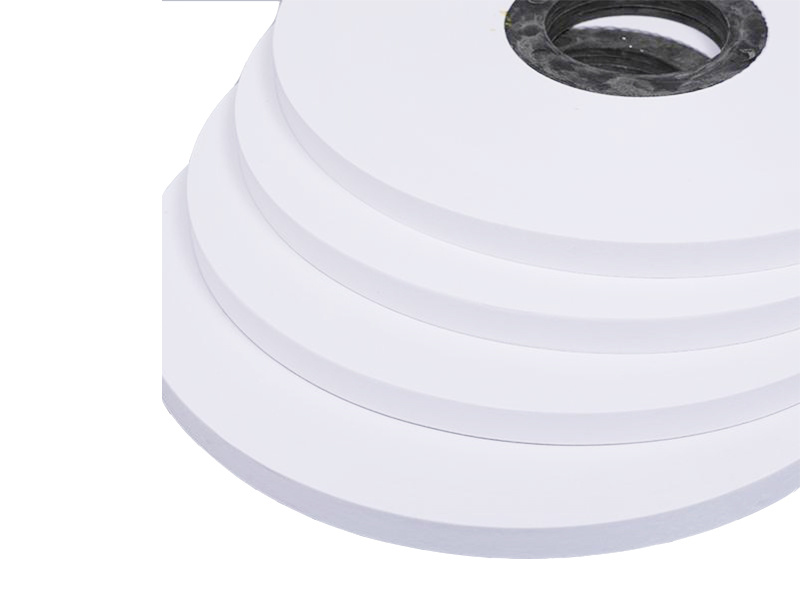
chemical bonded nonwoven interlining fabric
Latest News


Nantong Rainbow Nonwoven Tech Co.,Ltd.
Telephone:+86-13587673537 +86-15851257231
E-mail:chrislc717@163.com christy@ntrainbow.com
sales1@ntrainbow.com
Address: (No. 88, Sanzong South Road) Group 42, Xichansi Village, Xiting Town, Tongzhou District, Nantong City, Jiangsu Province

Copyright©2024 Nantong Rainbow Technology Co., Ltd. | Powered by www.300.cn
Copyright©2024 Nantong Rainbow Technology Co., Ltd.
Powered by www.300.cn