
The Versatility of Chemical Bonded Nonwoven Fusible Interlining in Textile Applications
Release time:
2025-08-05
Chemical bonded nonwoven fusible interlining is a crucial component in the textile industry, particularly in the realm of garment manufacturing. This type of interlining is engineered through a specialized process that involves bonding fibers together using chemical agents, resulting in a material that is both lightweight and durable. Its unique properties make it an essential choice for a variety of applications in fashion and textile production.
One of the primary advantages of chemical bonded nonwoven fusible interlining is its excellent fusibility. The interlining is coated with a heat-activated adhesive on one side, which allows it to bond seamlessly to fabric when heat is applied. This characteristic is particularly beneficial for providing structure and support to garments without adding unnecessary weight. As a result, it is widely used in the production of collars, cuffs, waistbands, and other components where shape retention and stability are required.
Moreover, the versatility of chemical bonded nonwoven fusible interlining is evident in its compatibility with numerous fabric types. It can be used with natural fibers, such as cotton and wool, as well as synthetic fabrics like polyester and nylon. This adaptability makes it a favorite among designers and manufacturers who seek to enhance the performance and aesthetic appeal of their products.
In addition to its fusible properties, this type of interlining offers various functional benefits. For instance, it can enhance the garment's drape, improve its durability, and provide resistance to wrinkling and distortion. These features not only improve the longevity of the finished product but also elevate the overall quality, making garments more appealing to consumers.
Another significant aspect to consider is the production process of chemical bonded nonwoven fusible interlining, which often involves eco-friendly practices. Many manufacturers are adopting sustainable materials and methods to reduce their environmental impact. Consequently, this interlining option is increasingly favored in the industry as brands strive to meet consumer demand for environmentally responsible products.
While selecting the right interlining, it is essential to consider the specific requirements of your project. Factors such as fabric type, desired finish, and garment function play crucial roles in determining the most suitable interlining. Chemical bonded nonwoven fusible interlining offers a reliable solution that balances performance with functionality, catering to the diverse needs of textile applications.
In summary, chemical bonded nonwoven fusible interlining is a vital element in modern textile manufacturing. Its unique combination of lightweight durability, versatility, and enhanced garment performance makes it an indispensable choice for professional designers and manufacturers looking to create high-quality products that stand out in a competitive market. Embracing this innovative interlining can lead to improved garment quality and customer satisfaction, ultimately contributing to the success of any textile venture.
One of the primary advantages of chemical bonded nonwoven fusible interlining is its excellent fusibility. The interlining is coated with a heat-activated adhesive on one side, which allows it to bond seamlessly to fabric when heat is applied. This characteristic is particularly beneficial for providing structure and support to garments without adding unnecessary weight. As a result, it is widely used in the production of collars, cuffs, waistbands, and other components where shape retention and stability are required.
Moreover, the versatility of chemical bonded nonwoven fusible interlining is evident in its compatibility with numerous fabric types. It can be used with natural fibers, such as cotton and wool, as well as synthetic fabrics like polyester and nylon. This adaptability makes it a favorite among designers and manufacturers who seek to enhance the performance and aesthetic appeal of their products.
In addition to its fusible properties, this type of interlining offers various functional benefits. For instance, it can enhance the garment's drape, improve its durability, and provide resistance to wrinkling and distortion. These features not only improve the longevity of the finished product but also elevate the overall quality, making garments more appealing to consumers.
Another significant aspect to consider is the production process of chemical bonded nonwoven fusible interlining, which often involves eco-friendly practices. Many manufacturers are adopting sustainable materials and methods to reduce their environmental impact. Consequently, this interlining option is increasingly favored in the industry as brands strive to meet consumer demand for environmentally responsible products.
While selecting the right interlining, it is essential to consider the specific requirements of your project. Factors such as fabric type, desired finish, and garment function play crucial roles in determining the most suitable interlining. Chemical bonded nonwoven fusible interlining offers a reliable solution that balances performance with functionality, catering to the diverse needs of textile applications.
In summary, chemical bonded nonwoven fusible interlining is a vital element in modern textile manufacturing. Its unique combination of lightweight durability, versatility, and enhanced garment performance makes it an indispensable choice for professional designers and manufacturers looking to create high-quality products that stand out in a competitive market. Embracing this innovative interlining can lead to improved garment quality and customer satisfaction, ultimately contributing to the success of any textile venture.
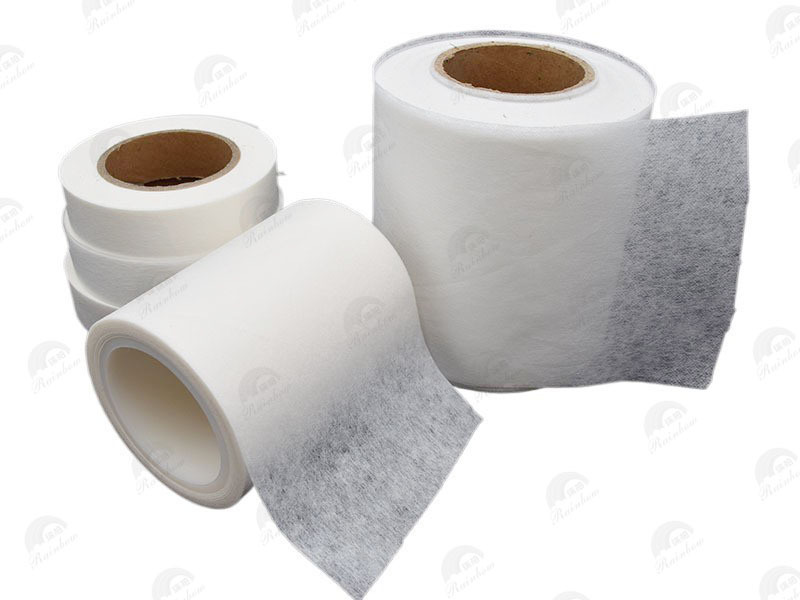
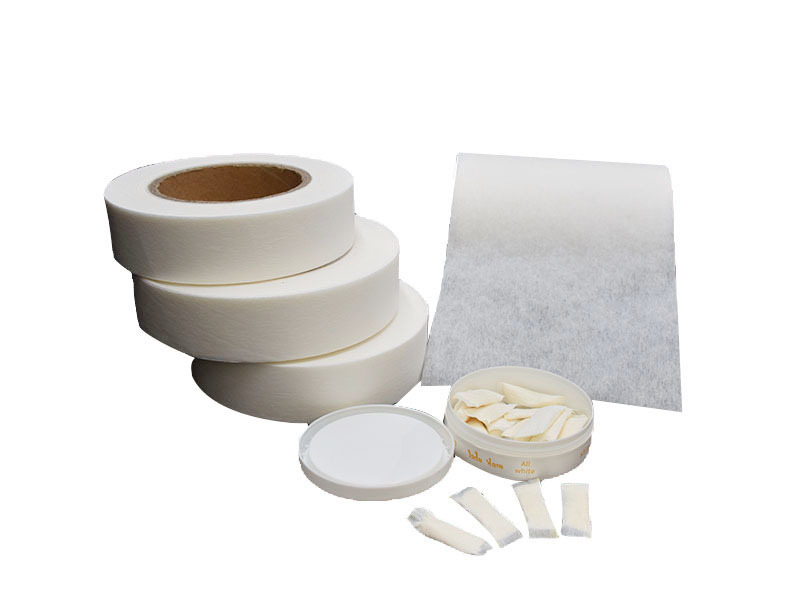
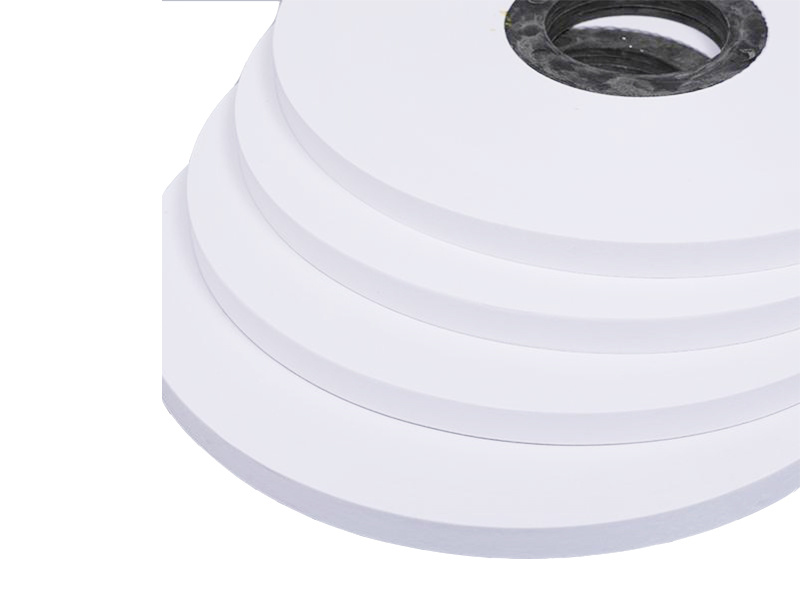
chemical bonded Nonwoven fusible interlining
Next Page
Next Page
Latest News


Nantong Rainbow Nonwoven Tech Co.,Ltd.
Telephone:+86-13587673537 +86-15851257231
E-mail:chrislc717@163.com christy@ntrainbow.com
sales1@ntrainbow.com
Address: (No. 88, Sanzong South Road) Group 42, Xichansi Village, Xiting Town, Tongzhou District, Nantong City, Jiangsu Province

Copyright©2024 Nantong Rainbow Technology Co., Ltd. | Powered by www.300.cn
Copyright©2024 Nantong Rainbow Technology Co., Ltd.
Powered by www.300.cn