
Understanding Nonwoven Fusible Interlining: The Essential Textile Component
Release time:
2025-08-03
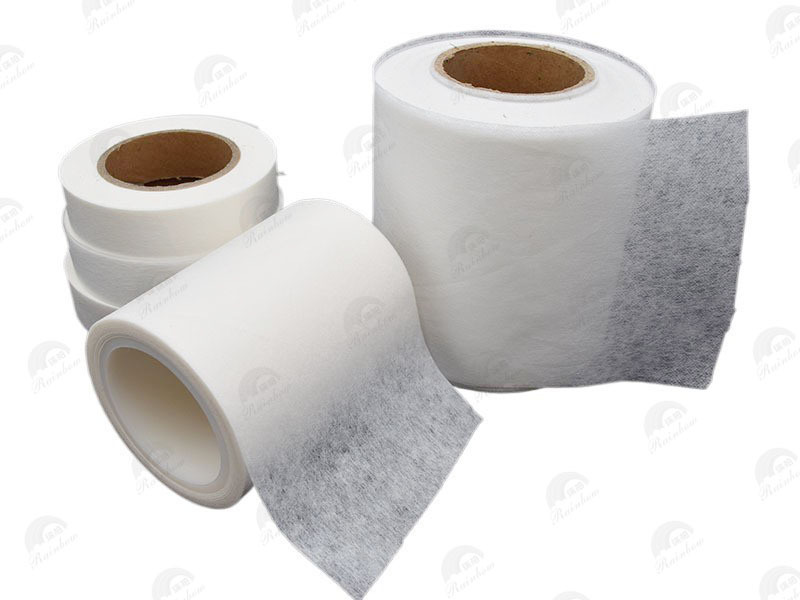
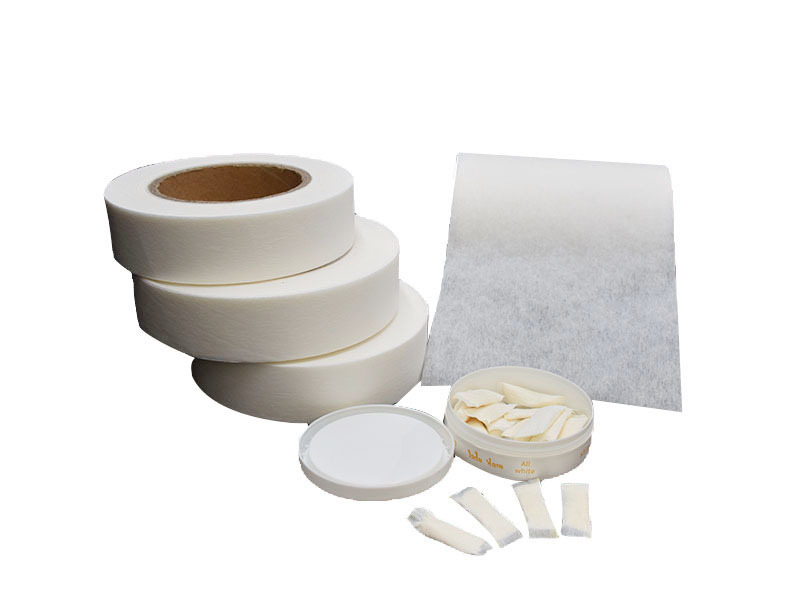
Nonwoven fusible interlining is a key component in the textile and garment industry, playing a crucial role in enhancing the structure and durability of various fabrics. Unlike woven interlinings, nonwoven fusible interlining is made from fibers that are bonded together through mechanical, thermal, or chemical processes, resulting in a fabric that is both lightweight and versatile. This unique composition allows it to offer excellent support, shape retention, and improved drapability, making it an essential choice for various applications.
One of the primary benefits of nonwoven fusible interlining is its ease of application. As the name suggests, “fusible” means that this type of interlining has an adhesive side that can be activated using heat, allowing it to bond seamlessly to the main fabric. This simplifies the manufacturing process, as it eliminates the need for additional stitching or complex bonding techniques. When heated with a pressing iron, the adhesive melts and firmly attaches the interlining to the fabric, providing a strong yet flexible bond that maintains the garment's integrity.
Nonwoven fusible interlining is commonly used in the construction of collars, cuffs, waistbands, and other structural elements of garments. Its ability to provide support without adding bulk makes it an ideal choice for lightweight fabrics such as silk, rayon, and polyester. Additionally, it helps prevent stretching or distortion, ensuring that the garment retains its intended shape even after repeated wear and washing.
Moreover, nonwoven fusible interlining contributes to the overall finish and presentation of a garment. It enhances the fabric's hand feel and drape, giving it a more polished appearance. When applied correctly, it can help achieve crisp lines and a tailored look, which is especially important in formal wear and professional attire.
In terms of sourcing, nonwoven fusible interlining is available in various weights, thicknesses, and finishes, allowing manufacturers to select the best option for their specific needs. Some variations may include additional properties such as water resistance or breathability, further expanding their application range.
In summary, nonwoven fusible interlining stands out as a vital material in the textile industry, offering significant advantages in garment construction. Its lightweight nature, ease of application, and structural benefits make it an indispensable tool for professionals seeking to create high-quality, durable, and aesthetically pleasing garments. Understanding its properties and applications can greatly enhance the quality of textile products and improve overall manufacturing efficiency.
One of the primary benefits of nonwoven fusible interlining is its ease of application. As the name suggests, “fusible” means that this type of interlining has an adhesive side that can be activated using heat, allowing it to bond seamlessly to the main fabric. This simplifies the manufacturing process, as it eliminates the need for additional stitching or complex bonding techniques. When heated with a pressing iron, the adhesive melts and firmly attaches the interlining to the fabric, providing a strong yet flexible bond that maintains the garment's integrity.
Nonwoven fusible interlining is commonly used in the construction of collars, cuffs, waistbands, and other structural elements of garments. Its ability to provide support without adding bulk makes it an ideal choice for lightweight fabrics such as silk, rayon, and polyester. Additionally, it helps prevent stretching or distortion, ensuring that the garment retains its intended shape even after repeated wear and washing.
Moreover, nonwoven fusible interlining contributes to the overall finish and presentation of a garment. It enhances the fabric's hand feel and drape, giving it a more polished appearance. When applied correctly, it can help achieve crisp lines and a tailored look, which is especially important in formal wear and professional attire.
In terms of sourcing, nonwoven fusible interlining is available in various weights, thicknesses, and finishes, allowing manufacturers to select the best option for their specific needs. Some variations may include additional properties such as water resistance or breathability, further expanding their application range.
In summary, nonwoven fusible interlining stands out as a vital material in the textile industry, offering significant advantages in garment construction. Its lightweight nature, ease of application, and structural benefits make it an indispensable tool for professionals seeking to create high-quality, durable, and aesthetically pleasing garments. Understanding its properties and applications can greatly enhance the quality of textile products and improve overall manufacturing efficiency.
Nonwoven fusible interlining
Latest News


Nantong Rainbow Nonwoven Tech Co.,Ltd.
Telephone:+86-13587673537 +86-15851257231
E-mail:chrislc717@163.com christy@ntrainbow.com
sales1@ntrainbow.com
Address: (No. 88, Sanzong South Road) Group 42, Xichansi Village, Xiting Town, Tongzhou District, Nantong City, Jiangsu Province

Copyright©2024 Nantong Rainbow Technology Co., Ltd. | Powered by www.300.cn
Copyright©2024 Nantong Rainbow Technology Co., Ltd.
Powered by www.300.cn