
Understanding Nonwoven Fusible Interlining: A Key Component in Textile Applications
Release time:
2025-07-26
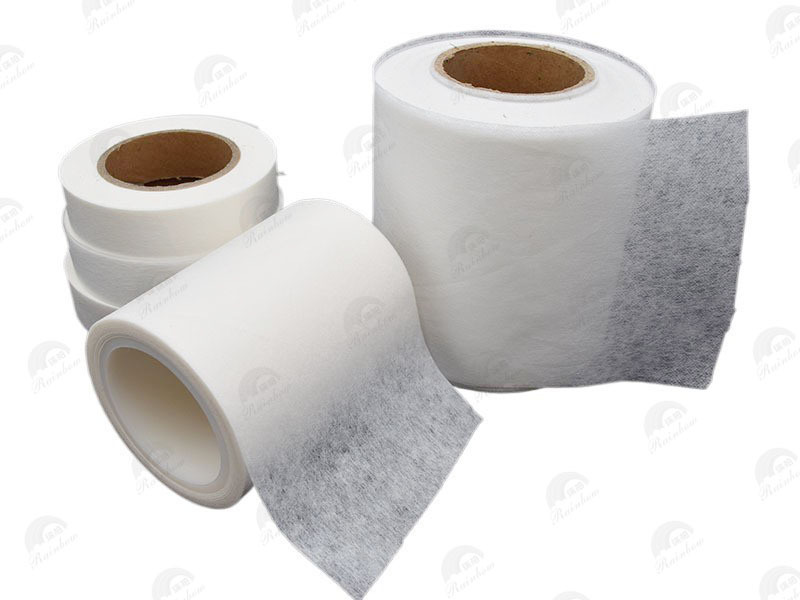
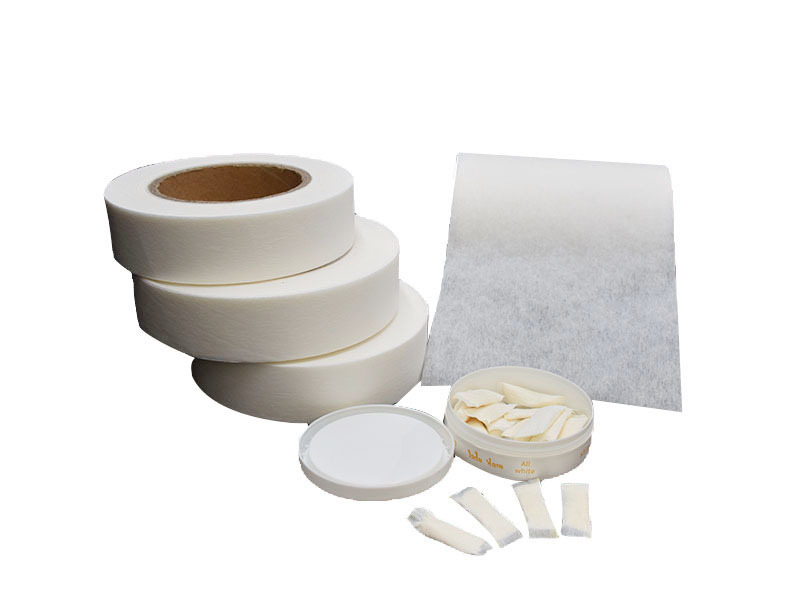
Nonwoven fusible interlining is an essential component in the textile and garment industry, playing a vital role in enhancing the quality and durability of fabrics. Made from synthetic fibers that are bonded together through heat, pressure, or adhesives, nonwoven fusible interlining offers unique properties that make it a preferred choice for various applications.
One of the primary functions of nonwoven fusible interlining is to provide stability and support to garments. When applied to fabrics, it reinforces areas that require additional strength, such as collars, cuffs, and waistbands. Unlike traditional woven interlinings, nonwoven varieties are lightweight and flexible, allowing for a more comfortable wear while maintaining the desired shape and structure of the garment.
The fusing process is crucial to the effectiveness of nonwoven fusible interlining. During garment construction, the interlining is heat-activated, causing the adhesive coating on one side to bond with the fabric. This results in a secure and long-lasting attachment that withstands wear and washing, ensuring that the garment retains its intended design and form over time.
In addition to strength and stability, nonwoven fusible interlining also enhances the aesthetic qualities of textiles. It can improve the drape and finish of fabrics, making them appear more polished and professional. Designers often rely on this type of interlining to achieve specific looks, from structured silhouettes to soft, flowing garments, depending on the weight and type of nonwoven used.
Moreover, the versatility of nonwoven fusible interlining extends to its variety of applications beyond clothing. It is utilized in home textiles, such as curtains and upholstery, as well as in accessories like bags and hats. This adaptability makes it a valuable resource for both manufacturers and consumers alike, as it caters to a wide range of textile needs.
Eco-conscious manufacturers are also beginning to explore sustainable options in nonwoven fusible interlining. Innovations in biodegradable materials and recycling processes are paving the way for more environmentally friendly choices, allowing the industry to move towards a more sustainable future.
In summary, nonwoven fusible interlining is a crucial element in the textile sector, providing stability, support, and aesthetic enhancement to various fabrics. Its lightweight nature, ease of use, and adaptability make it a go-to option for garment construction and beyond. As the industry evolves, keeping an eye on innovations in nonwoven technologies can help ensure that both quality and sustainability remain at the forefront of textile production.
One of the primary functions of nonwoven fusible interlining is to provide stability and support to garments. When applied to fabrics, it reinforces areas that require additional strength, such as collars, cuffs, and waistbands. Unlike traditional woven interlinings, nonwoven varieties are lightweight and flexible, allowing for a more comfortable wear while maintaining the desired shape and structure of the garment.
The fusing process is crucial to the effectiveness of nonwoven fusible interlining. During garment construction, the interlining is heat-activated, causing the adhesive coating on one side to bond with the fabric. This results in a secure and long-lasting attachment that withstands wear and washing, ensuring that the garment retains its intended design and form over time.
In addition to strength and stability, nonwoven fusible interlining also enhances the aesthetic qualities of textiles. It can improve the drape and finish of fabrics, making them appear more polished and professional. Designers often rely on this type of interlining to achieve specific looks, from structured silhouettes to soft, flowing garments, depending on the weight and type of nonwoven used.
Moreover, the versatility of nonwoven fusible interlining extends to its variety of applications beyond clothing. It is utilized in home textiles, such as curtains and upholstery, as well as in accessories like bags and hats. This adaptability makes it a valuable resource for both manufacturers and consumers alike, as it caters to a wide range of textile needs.
Eco-conscious manufacturers are also beginning to explore sustainable options in nonwoven fusible interlining. Innovations in biodegradable materials and recycling processes are paving the way for more environmentally friendly choices, allowing the industry to move towards a more sustainable future.
In summary, nonwoven fusible interlining is a crucial element in the textile sector, providing stability, support, and aesthetic enhancement to various fabrics. Its lightweight nature, ease of use, and adaptability make it a go-to option for garment construction and beyond. As the industry evolves, keeping an eye on innovations in nonwoven technologies can help ensure that both quality and sustainability remain at the forefront of textile production.
Nonwoven fusible interlining
Latest News


Nantong Rainbow Nonwoven Tech Co.,Ltd.
Telephone:+86-13587673537 +86-15851257231
E-mail:chrislc717@163.com christy@ntrainbow.com
sales1@ntrainbow.com
Address: (No. 88, Sanzong South Road) Group 42, Xichansi Village, Xiting Town, Tongzhou District, Nantong City, Jiangsu Province

Copyright©2024 Nantong Rainbow Technology Co., Ltd. | Powered by www.300.cn
Copyright©2024 Nantong Rainbow Technology Co., Ltd.
Powered by www.300.cn