
Understanding Chemical Bonded Nonwoven Interlining Fabric: A Comprehensive Guide
Release time:
2025-07-14
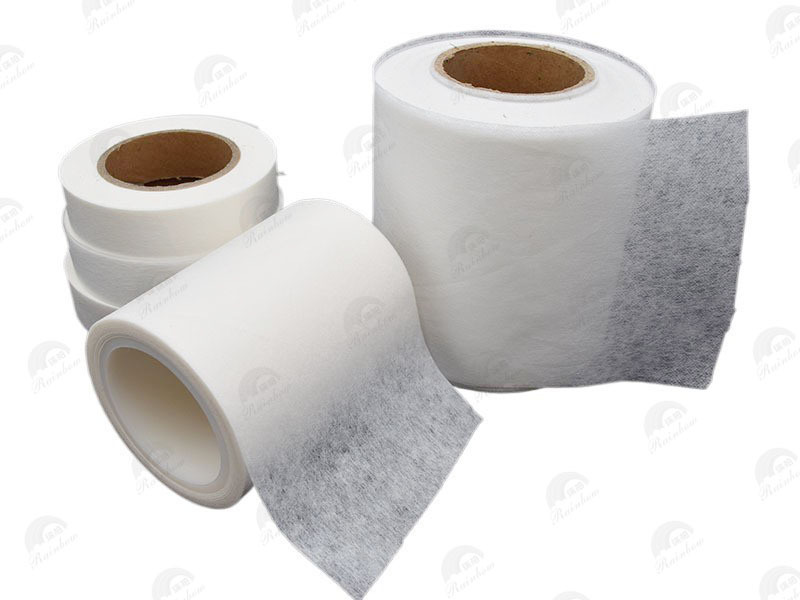
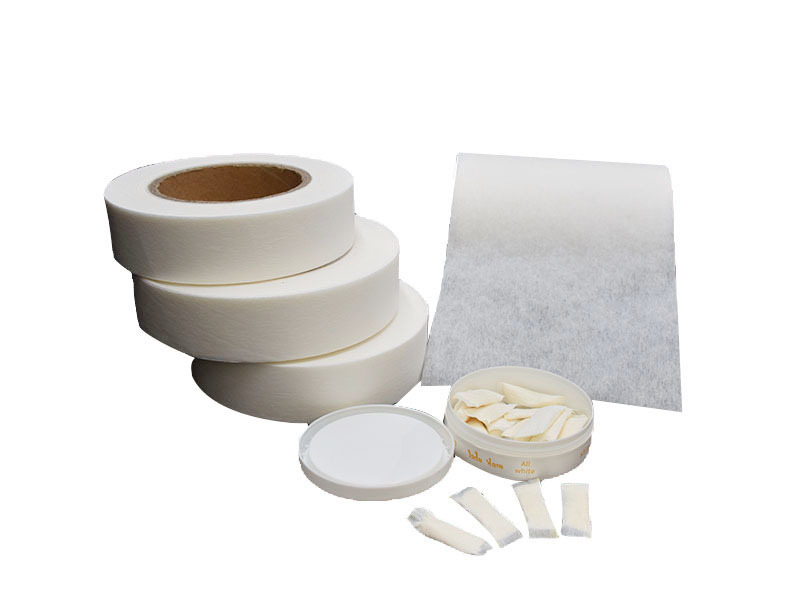
Chemical bonded nonwoven interlining fabric is an essential component in the textile industry, particularly in the realm of interlinings. This fabric type is engineered through a unique chemical bonding process, which allows for superior strength and durability compared to traditional woven interlinings. Its construction typically involves a blend of fibers that are bonded together using a polymeric adhesive. This results in a lightweight, stable, and versatile fabric that can be used in a variety of applications.
One of the key benefits of chemical bonded nonwoven interlining fabric is its excellent dimensional stability. This characteristic ensures that the fabric maintains its shape and structure, even after repeated washings or wear. This stability is crucial for garments and textile products that require a crisp, professional appearance, such as collars, cuffs, and waistbands. Additionally, the chemical bonding process enhances the fabric's resistance to fraying and unraveling, further contributing to its longevity.
Another notable advantage is the fabric's ability to provide a smooth and soft handfeel. Many manufacturers appreciate that chemical bonded nonwoven interlining can add structure without compromising comfort, making it an ideal choice for a wide range of clothing items, from formal wear to casual attire. Furthermore, this type of interlining can effectively enhance the drape of fabrics, giving garments a more elegant and polished look.
In terms of applications, chemical bonded nonwoven interlining fabric is widely used in the apparel sector, especially for tailored garments. It's also utilized in non-apparel products such as home textiles, upholstery, and even industrial applications. This versatility allows designers and manufacturers to explore creative possibilities while ensuring the performance and quality of their products.
Moreover, the production of chemical bonded nonwoven interlining fabric often involves eco-friendly practices, making it a suitable option for companies aiming to adopt sustainable methods. The nonwoven nature of the fabric means that it can be produced with minimal waste, and the use of specific bonding agents can further enhance its sustainability profile.
In conclusion, chemical bonded nonwoven interlining fabric stands out as a valuable addition to the textile industry. Its combination of durability, comfort, and versatility makes it a go-to choice for a myriad of applications. Whether you're a designer looking to elevate your creations or a manufacturer aiming to provide high-quality fabrics, understanding the characteristics and benefits of chemical bonded nonwoven interlining fabric will undoubtedly enhance your offerings in today's competitive market.
One of the key benefits of chemical bonded nonwoven interlining fabric is its excellent dimensional stability. This characteristic ensures that the fabric maintains its shape and structure, even after repeated washings or wear. This stability is crucial for garments and textile products that require a crisp, professional appearance, such as collars, cuffs, and waistbands. Additionally, the chemical bonding process enhances the fabric's resistance to fraying and unraveling, further contributing to its longevity.
Another notable advantage is the fabric's ability to provide a smooth and soft handfeel. Many manufacturers appreciate that chemical bonded nonwoven interlining can add structure without compromising comfort, making it an ideal choice for a wide range of clothing items, from formal wear to casual attire. Furthermore, this type of interlining can effectively enhance the drape of fabrics, giving garments a more elegant and polished look.
In terms of applications, chemical bonded nonwoven interlining fabric is widely used in the apparel sector, especially for tailored garments. It's also utilized in non-apparel products such as home textiles, upholstery, and even industrial applications. This versatility allows designers and manufacturers to explore creative possibilities while ensuring the performance and quality of their products.
Moreover, the production of chemical bonded nonwoven interlining fabric often involves eco-friendly practices, making it a suitable option for companies aiming to adopt sustainable methods. The nonwoven nature of the fabric means that it can be produced with minimal waste, and the use of specific bonding agents can further enhance its sustainability profile.
In conclusion, chemical bonded nonwoven interlining fabric stands out as a valuable addition to the textile industry. Its combination of durability, comfort, and versatility makes it a go-to choice for a myriad of applications. Whether you're a designer looking to elevate your creations or a manufacturer aiming to provide high-quality fabrics, understanding the characteristics and benefits of chemical bonded nonwoven interlining fabric will undoubtedly enhance your offerings in today's competitive market.
chemical bonded nonwoven interlining fabric
Latest News


Nantong Rainbow Nonwoven Tech Co.,Ltd.
Telephone:+86-13587673537 +86-15851257231
E-mail:chrislc717@163.com christy@ntrainbow.com
sales1@ntrainbow.com
Address: (No. 88, Sanzong South Road) Group 42, Xichansi Village, Xiting Town, Tongzhou District, Nantong City, Jiangsu Province

Copyright©2024 Nantong Rainbow Technology Co., Ltd. | Powered by www.300.cn
Copyright©2024 Nantong Rainbow Technology Co., Ltd.
Powered by www.300.cn