
Understanding Double Sided Fusible Nonwoven Interlining: A Comprehensive Guide
Release time:
2025-06-30
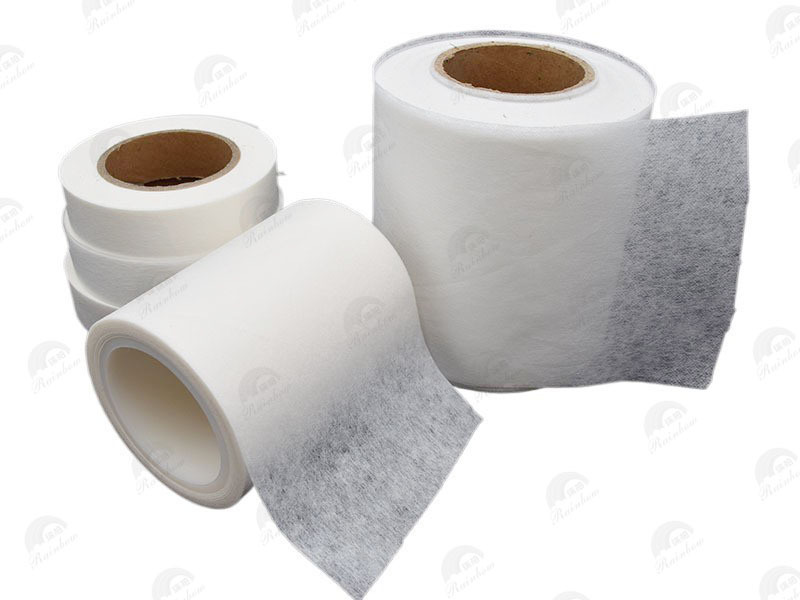
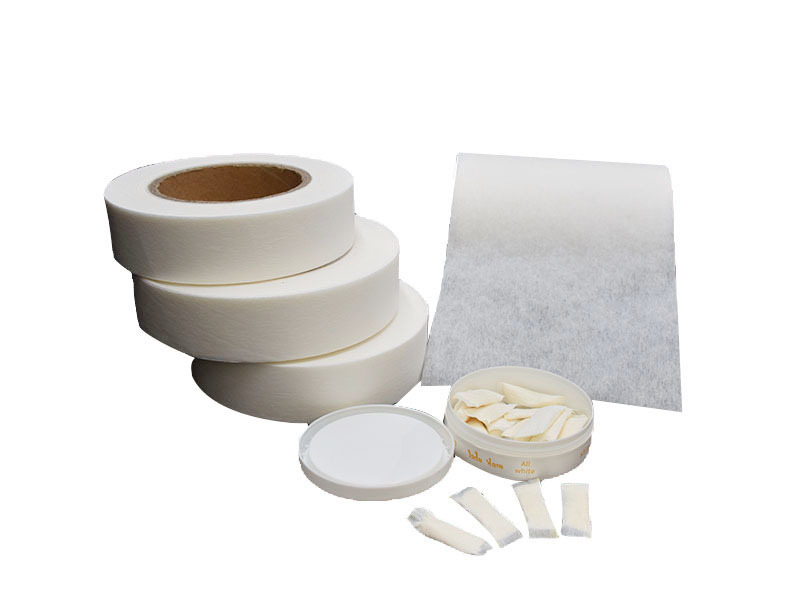
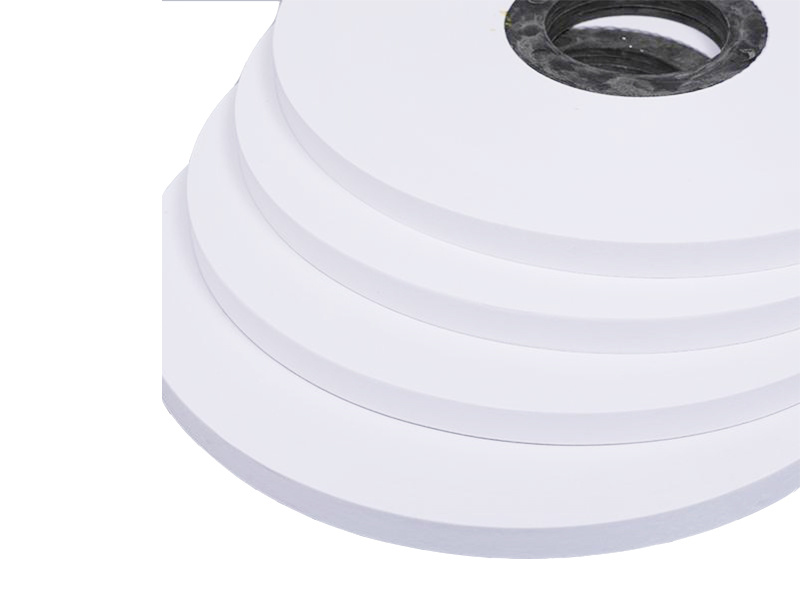
Double Sided Fusible Nonwoven Interlining is an essential material in the textile sector, particularly for those involved in garment manufacturing and fabric enhancement. This innovative interlining features a unique structure that enhances the fabric it is bonded to, providing stability, support, and improved performance.
One of the primary components of this interlining is its fusible nature, which means it can be adhered to various fabrics using heat and pressure. The double-sided feature allows it to bond effectively to both the outer fabric and the lining, creating a seamless appearance. This capability makes it an ideal choice for tailoring, fashion design, and the production of high-quality garments.
In terms of composition, Double Sided Fusible Nonwoven Interlining is typically made from synthetic fibers, offering durability and resilience. Its nonwoven structure means that it does not have a distinct grain, allowing for versatile application across a wide range of textiles. This flexibility is particularly advantageous when working with complex patterns or delicate fabrics that require additional support without compromising their feel or drape.
The applications of Double Sided Fusible Nonwoven Interlining are vast. It is commonly used in the production of shirts, jackets, collars, and cuffs, where a crisp finish is desired. Additionally, it can be employed in structured garments such as blazers and tailored suits, providing the necessary stiffness to maintain the garment's shape while ensuring comfort and wearability.
From a functional perspective, this interlining enhances the overall quality of the final product. It helps to reduce fabric distortion during washing and wearing, thereby extending the lifespan of garments. Moreover, it can be instrumental in improving fabric appearance, offering a polished and professional finish that appeals to consumers.
When selecting Double Sided Fusible Nonwoven Interlining for specific projects, it is essential to consider the weight and adhesive properties of the material. Different weights may be better suited for various applications, while the choice of adhesive can affect how well it bonds with the fabric. Professionals should also take into account the care instructions for the finished garment, as the interlining's properties can influence the washing and maintenance of the final product.
In conclusion, Double Sided Fusible Nonwoven Interlining is a versatile and valuable material in the textile industry, offering numerous benefits for garment creation. Its ability to bond seamlessly with fabrics while providing support and durability makes it a preferred choice among designers and manufacturers alike. By understanding its properties and applications, professionals can make informed decisions that enhance the quality and performance of their textile creations.
One of the primary components of this interlining is its fusible nature, which means it can be adhered to various fabrics using heat and pressure. The double-sided feature allows it to bond effectively to both the outer fabric and the lining, creating a seamless appearance. This capability makes it an ideal choice for tailoring, fashion design, and the production of high-quality garments.
In terms of composition, Double Sided Fusible Nonwoven Interlining is typically made from synthetic fibers, offering durability and resilience. Its nonwoven structure means that it does not have a distinct grain, allowing for versatile application across a wide range of textiles. This flexibility is particularly advantageous when working with complex patterns or delicate fabrics that require additional support without compromising their feel or drape.
The applications of Double Sided Fusible Nonwoven Interlining are vast. It is commonly used in the production of shirts, jackets, collars, and cuffs, where a crisp finish is desired. Additionally, it can be employed in structured garments such as blazers and tailored suits, providing the necessary stiffness to maintain the garment's shape while ensuring comfort and wearability.
From a functional perspective, this interlining enhances the overall quality of the final product. It helps to reduce fabric distortion during washing and wearing, thereby extending the lifespan of garments. Moreover, it can be instrumental in improving fabric appearance, offering a polished and professional finish that appeals to consumers.
When selecting Double Sided Fusible Nonwoven Interlining for specific projects, it is essential to consider the weight and adhesive properties of the material. Different weights may be better suited for various applications, while the choice of adhesive can affect how well it bonds with the fabric. Professionals should also take into account the care instructions for the finished garment, as the interlining's properties can influence the washing and maintenance of the final product.
In conclusion, Double Sided Fusible Nonwoven Interlining is a versatile and valuable material in the textile industry, offering numerous benefits for garment creation. Its ability to bond seamlessly with fabrics while providing support and durability makes it a preferred choice among designers and manufacturers alike. By understanding its properties and applications, professionals can make informed decisions that enhance the quality and performance of their textile creations.
Double Sided Fusible Nonwoven Interlining
Latest News


Nantong Rainbow Nonwoven Tech Co.,Ltd.
Telephone:+86-13587673537 +86-15851257231
E-mail:chrislc717@163.com christy@ntrainbow.com
sales1@ntrainbow.com
Address: (No. 88, Sanzong South Road) Group 42, Xichansi Village, Xiting Town, Tongzhou District, Nantong City, Jiangsu Province

Copyright©2024 Nantong Rainbow Technology Co., Ltd. | Powered by www.300.cn
Copyright©2024 Nantong Rainbow Technology Co., Ltd.
Powered by www.300.cn