
The Significance of GRS Certified Nonwoven Interlining in the Textile Industry
Release time:
2025-06-26
In the textile industry, particularly in the realm of interlinings, GRS Certified Nonwoven Interlining has emerged as a pivotal material choice for manufacturers focused on sustainability and quality. The Global Recycled Standard (GRS) certification ensures that the materials used in the production of nonwoven interlining meet stringent environmental and social criteria. This certification is essential for organizations striving to minimize their ecological footprint while maintaining high product standards.
One of the primary advantages of GRS Certified Nonwoven Interlining is its composition. This type of interlining is manufactured using recycled materials, often derived from post-consumer plastic waste. By utilizing recycled inputs, manufacturers can significantly reduce landfill waste and decrease the need for virgin raw materials, which are often associated with resource depletion and environmental degradation. This aligns perfectly with the growing demand for eco-friendly products in the textile market.
Moreover, the use of GRS Certified Nonwoven Interlining does not compromise on quality or performance. Nonwoven interlinings are known for their excellent stability, durability, and ease of application. They provide the necessary support and structure to various fabric types, making them ideal for garments that require enhanced shape retention, such as collars, cuffs, and waistbands. The GRS certification ensures that these interlinings meet rigorous quality standards, guaranteeing that they perform well in diverse applications.
In addition to their performance benefits, GRS Certified Nonwoven Interlinings can also enhance a brand's marketability. As consumers become increasingly aware of environmental issues, they are more inclined to support brands that prioritize sustainability. By incorporating GRS Certified materials into their products, companies can position themselves as eco-conscious and socially responsible, attracting a broader customer base and fostering brand loyalty.
It's also worth noting that the use of GRS Certified Nonwoven Interlining can contribute to compliance with various international environmental regulations and standards. As sustainability becomes a focal point in global trade, possessing GRS certification can provide manufacturers with a competitive edge in both local and international markets.
In conclusion, GRS Certified Nonwoven Interlining represents a significant advancement in the textile industry, combining sustainability with high performance. By choosing GRS certified materials, professionals can not only enhance their product offerings but also contribute positively to the environment. As the industry continues to evolve, embracing such innovations will be crucial for sustained success and growth. Understanding the implications of GRS Certified Nonwoven Interlining is essential for any textile professional looking to thrive in today’s eco-conscious market.
One of the primary advantages of GRS Certified Nonwoven Interlining is its composition. This type of interlining is manufactured using recycled materials, often derived from post-consumer plastic waste. By utilizing recycled inputs, manufacturers can significantly reduce landfill waste and decrease the need for virgin raw materials, which are often associated with resource depletion and environmental degradation. This aligns perfectly with the growing demand for eco-friendly products in the textile market.
Moreover, the use of GRS Certified Nonwoven Interlining does not compromise on quality or performance. Nonwoven interlinings are known for their excellent stability, durability, and ease of application. They provide the necessary support and structure to various fabric types, making them ideal for garments that require enhanced shape retention, such as collars, cuffs, and waistbands. The GRS certification ensures that these interlinings meet rigorous quality standards, guaranteeing that they perform well in diverse applications.
In addition to their performance benefits, GRS Certified Nonwoven Interlinings can also enhance a brand's marketability. As consumers become increasingly aware of environmental issues, they are more inclined to support brands that prioritize sustainability. By incorporating GRS Certified materials into their products, companies can position themselves as eco-conscious and socially responsible, attracting a broader customer base and fostering brand loyalty.
It's also worth noting that the use of GRS Certified Nonwoven Interlining can contribute to compliance with various international environmental regulations and standards. As sustainability becomes a focal point in global trade, possessing GRS certification can provide manufacturers with a competitive edge in both local and international markets.
In conclusion, GRS Certified Nonwoven Interlining represents a significant advancement in the textile industry, combining sustainability with high performance. By choosing GRS certified materials, professionals can not only enhance their product offerings but also contribute positively to the environment. As the industry continues to evolve, embracing such innovations will be crucial for sustained success and growth. Understanding the implications of GRS Certified Nonwoven Interlining is essential for any textile professional looking to thrive in today’s eco-conscious market.
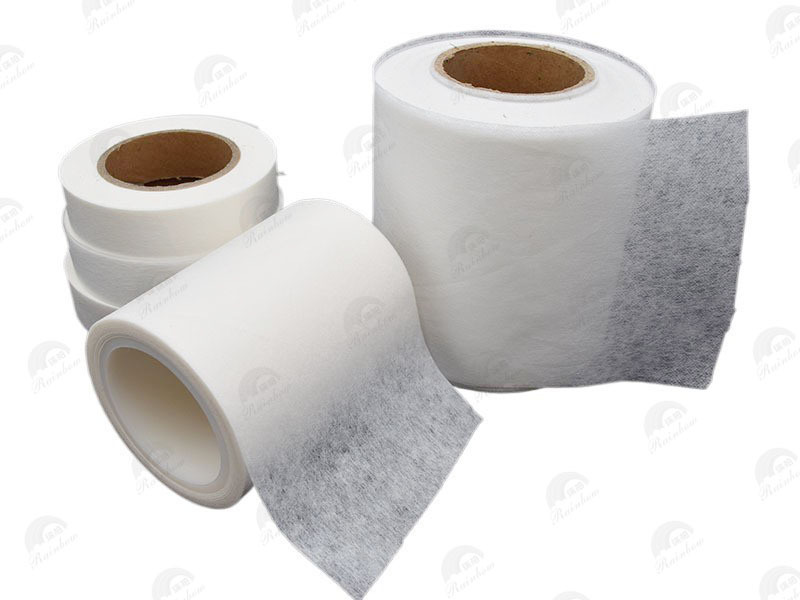
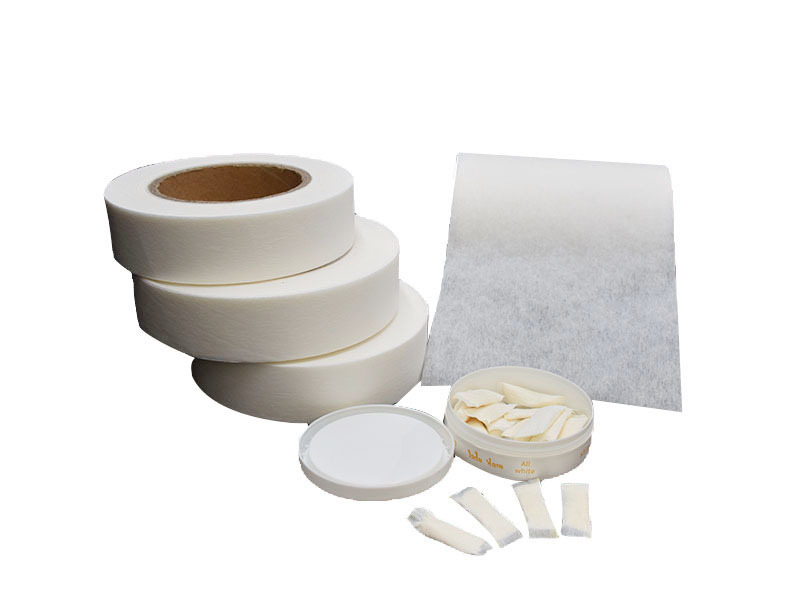
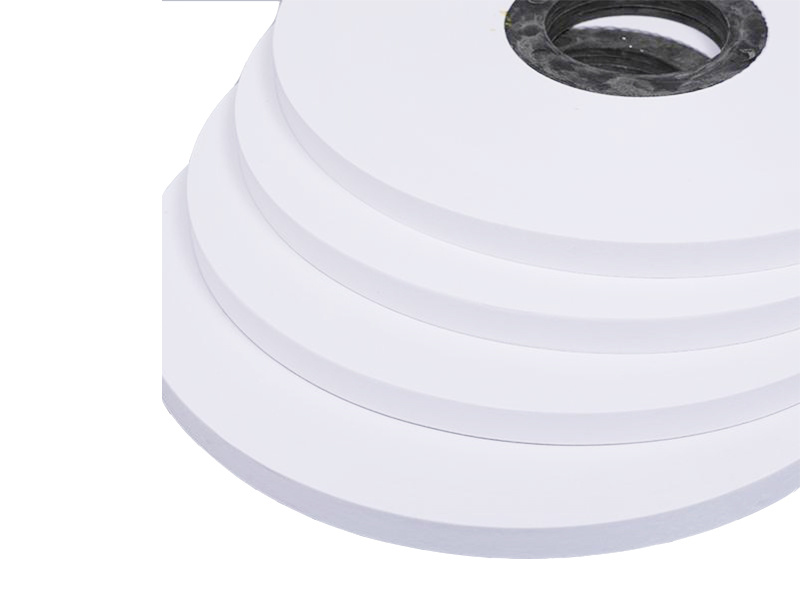
GRS Certified Nonwoven Interlining
Latest News


Nantong Rainbow Nonwoven Tech Co.,Ltd.
Telephone:+86-13587673537 +86-15851257231
E-mail:chrislc717@163.com christy@ntrainbow.com
sales1@ntrainbow.com
Address: (No. 88, Sanzong South Road) Group 42, Xichansi Village, Xiting Town, Tongzhou District, Nantong City, Jiangsu Province

Copyright©2024 Nantong Rainbow Technology Co., Ltd. | Powered by www.300.cn
Copyright©2024 Nantong Rainbow Technology Co., Ltd.
Powered by www.300.cn