
Understanding Fusible Scatter Coating Nonwoven Interlining: A Comprehensive Guide
Release time:
2025-05-25
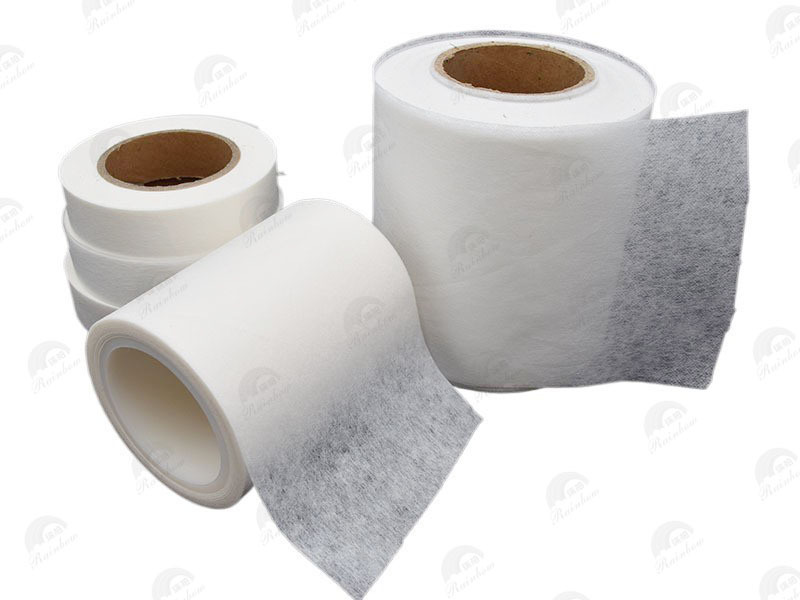
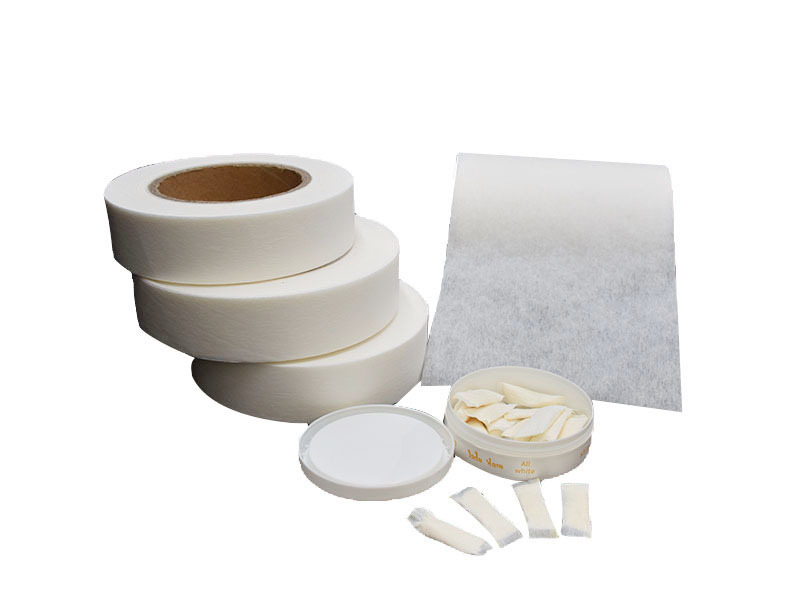
Fusible scatter coating nonwoven interlining is an innovative textile solution that plays a crucial role in the apparel and fashion industries. This type of interlining is designed to provide support, structure, and stability to various garments, enhancing their overall quality and longevity. Unlike traditional interlinings, fusible scatter coating nonwoven interlining uses a unique bonding process that allows it to fuse seamlessly with the outer fabric, eliminating the need for stitching and ensuring a smooth finish.
One of the most significant advantages of fusible scatter coating nonwoven interlining is its lightweight nature. This characteristic allows it to be applied to delicate fabrics without adding unnecessary bulk, which is essential in modern garment design. Moreover, this interlining provides excellent drape and shape retention, ensuring that garments maintain their intended form even after multiple washes.
The manufacturing process of fusible scatter coating nonwoven interlining involves applying a thermoplastic adhesive to a nonwoven substrate. This results in a product that can be easily bonded to a variety of fabrics when heat is applied, creating a durable and long-lasting connection. This feature not only enhances the garment's performance but also simplifies the production process, saving time and labor costs.
In terms of applications, fusible scatter coating nonwoven interlining is widely used in various clothing items, including jackets, shirts, and dresses. Its versatility makes it suitable for both woven and knitted fabrics, providing designers with the flexibility to experiment with different materials and styles. Additionally, this interlining is commonly used in home textiles, such as curtains and upholstery, where structure and stability are paramount.
When selecting fusible scatter coating nonwoven interlining for specific projects, it is essential to consider factors such as the weight of the fabric, the intended use of the garment, and any special performance requirements. Professionals in the textile industry can benefit from understanding the specific properties of different interlinings to make informed decisions that align with their design goals and customer expectations.
In conclusion, fusible scatter coating nonwoven interlining is an invaluable component in the textile and garment manufacturing process. Its lightweight nature, ease of application, and versatility make it a preferred choice for many designers and manufacturers. By understanding the benefits and applications of this innovative interlining, industry professionals can elevate their products and meet the demands of today's discerning consumers.
One of the most significant advantages of fusible scatter coating nonwoven interlining is its lightweight nature. This characteristic allows it to be applied to delicate fabrics without adding unnecessary bulk, which is essential in modern garment design. Moreover, this interlining provides excellent drape and shape retention, ensuring that garments maintain their intended form even after multiple washes.
The manufacturing process of fusible scatter coating nonwoven interlining involves applying a thermoplastic adhesive to a nonwoven substrate. This results in a product that can be easily bonded to a variety of fabrics when heat is applied, creating a durable and long-lasting connection. This feature not only enhances the garment's performance but also simplifies the production process, saving time and labor costs.
In terms of applications, fusible scatter coating nonwoven interlining is widely used in various clothing items, including jackets, shirts, and dresses. Its versatility makes it suitable for both woven and knitted fabrics, providing designers with the flexibility to experiment with different materials and styles. Additionally, this interlining is commonly used in home textiles, such as curtains and upholstery, where structure and stability are paramount.
When selecting fusible scatter coating nonwoven interlining for specific projects, it is essential to consider factors such as the weight of the fabric, the intended use of the garment, and any special performance requirements. Professionals in the textile industry can benefit from understanding the specific properties of different interlinings to make informed decisions that align with their design goals and customer expectations.
In conclusion, fusible scatter coating nonwoven interlining is an invaluable component in the textile and garment manufacturing process. Its lightweight nature, ease of application, and versatility make it a preferred choice for many designers and manufacturers. By understanding the benefits and applications of this innovative interlining, industry professionals can elevate their products and meet the demands of today's discerning consumers.
fusible scatter coating Nonwoven interlining
Latest News


Nantong Rainbow Nonwoven Tech Co.,Ltd.
Telephone:+86-13587673537 +86-15851257231
E-mail:chrislc717@163.com christy@ntrainbow.com
sales1@ntrainbow.com
Address: (No. 88, Sanzong South Road) Group 42, Xichansi Village, Xiting Town, Tongzhou District, Nantong City, Jiangsu Province

Copyright©2024 Nantong Rainbow Technology Co., Ltd. | Powered by www.300.cn
Copyright©2024 Nantong Rainbow Technology Co., Ltd.
Powered by www.300.cn