
Mastering Scatter Fused Embroidery Stabilizers: Essential Tips for Optimal Use
Release time:
2025-05-18
Mastering Scatter Fused Embroidery Stabilizers: Essential Tips for Optimal Use
Embroidery has evolved into a vibrant form of art, allowing creators to express individuality through intricate designs. Among the myriad of tools available, scatter fused embroidery stabilizers play a crucial role in enhancing the quality of your work. This article delves deep into understanding these stabilizers, their applications, and tips to achieve optimal results.
Understanding Scatter Fused Embroidery Stabilizers
Scatter fused embroidery stabilizers are specialized materials that support fabric during the embroidery process. Unlike traditional stabilizers, scatter fused types provide flexibility and breathability, making them ideal for a wide range of fabrics. They help to ensure the stitches stay crisp and well-defined, which is essential for creating high-quality designs.
What is a Scatter Fused Stabilizer?
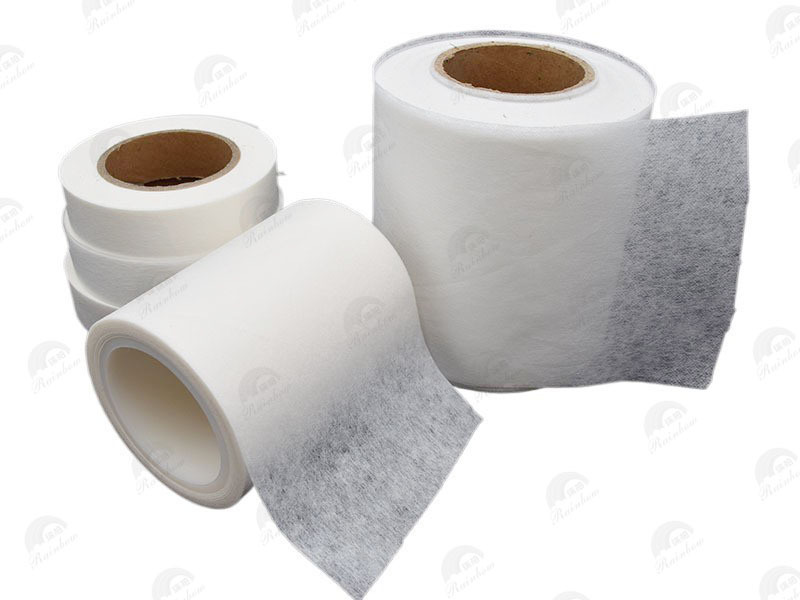
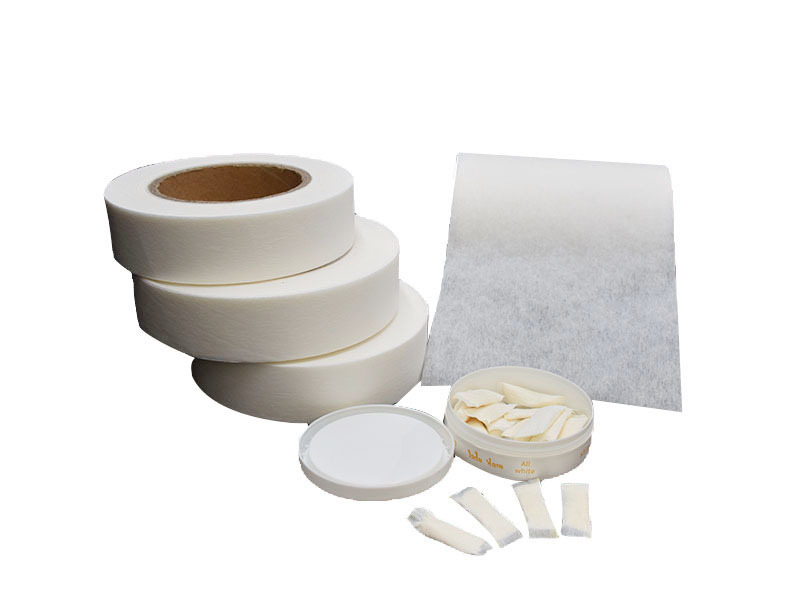
A scatter fused stabilizer is a lightweight, non-woven material that is designed to fuse with the fabric during the embroidery process. This allows the stabilizer to provide support without adding bulk or weight. The fusion process can occur through heat or adhesive, ensuring that the stabilizer remains in place throughout the stitching process.
Benefits of Using Scatter Fused Embroidery Stabilizers
Utilizing scatter fused stabilizers can significantly improve the outcome of your embroidery projects. Here are some of the primary benefits:
1. **Enhanced Stability**: These stabilizers provide excellent support, preventing fabric distortion and ensuring that your stitches remain intact.
2. **Lightweight and Flexible**: Unlike heavier stabilizers, scatter fused options allow for more versatility, enabling the use of delicate fabrics without compromising the design.
3. **Reduced Bulk**: The fusing process minimizes the additional weight added to your project, making it easier to handle and finish.
4. **Improved Stitch Definition**: The stabilizer allows for better stitch formation, resulting in cleaner, more professional-looking embroidery.
Choosing the Right Scatter Fused Stabilizer
Selecting the ideal scatter fused stabilizer for your project requires an understanding of the fabric and design you are working with. Here are factors to consider:
Fabric Type and Weight
Different fabrics have varying weights and textures. When choosing a scatter fused stabilizer, consider the following:
- **Lightweight Fabrics**: For delicate materials such as silk or chiffon, opt for a very lightweight stabilizer that fuses seamlessly without adding bulk.
- **Medium to Heavy Fabrics**: For canvas or denim, a heavier stabilizer will ensure that your stitches hold firm and are defined.
Design Complexity
The intricacy of your embroidery design also dictates the type of stabilizer you should use. For complicated designs with multiple colors, a stronger stabilizer will provide the necessary support and ensure that all elements remain clear and vibrant.
Preparation for Using Scatter Fused Stabilizers
Proper preparation is key to achieving the best results with scatter fused embroidery stabilizers. Here’s how to get ready:
Pre-Wash Your Fabric
Always pre-wash your fabric to remove any sizing or chemicals that may affect the fusion process. This step ensures that the stabilizer adheres properly during embroidery.
Cutting the Stabilizer
Cut the scatter fused stabilizer to the same size as your fabric piece. This ensures complete coverage and prevents any movement during the embroidery process.
Using a Heat Source
If your stabilizer requires heat to fuse, ensure that you follow the manufacturer’s guidelines for temperature settings. Test on a scrap piece of fabric first to avoid damaging your project.
Techniques for Optimal Use
To maximize the effectiveness of scatter fused embroidery stabilizers, consider the following techniques:
Layering for Extra Support
For particularly challenging designs or fabrics, layering multiple sheets of scatter fused stabilizers can provide added stability. Ensure that each layer is properly fused before proceeding to the next.
Testing Stitching Settings
Always test your embroidery settings on a scrap piece of the same fabric and stabilizer combination before starting your final project. This allows you to make any necessary adjustments to stitch density or tension.
Common Mistakes to Avoid
While using scatter fused embroidery stabilizers is straightforward, certain pitfalls can hinder your results. Avoid these common mistakes:
Improper Fusing
Ensure that you follow the recommended fusing method. Insufficient heat or pressure can lead to inadequate stabilization, while excessive heat may damage the fabric.
Neglecting Fabric Characteristics
Failing to consider the weight and type of fabric can result in poor stitch quality. Always match the stabilizer to the fabric for the best outcome.
Maintaining Your Embroidery Projects
Once your embroidery is complete, proper maintenance is crucial for longevity. Follow these guidelines for care:
Gentle Washing Techniques
When washing embroidered items, use a gentle cycle and cold water to prevent any distortion. Avoid fabric softeners, as they may affect the stabilizer's properties.
Avoiding High Heat Drying
Air drying is the best option for embroidered items. High heat can cause the stabilizer to break down or warp, leading to decreased quality.
Exploring Further Applications of Scatter Fused Stabilizers
Scatter fused embroidery stabilizers are not just limited to traditional embroidery. Explore their application in various projects:
Quilting
Using scatter fused stabilizers in quilting can enhance the accuracy of your piecing and quilting stitches, ensuring that everything lies flat and true.
Appliqué Projects
These stabilizers work exceptionally well for appliqué projects, providing the necessary support for intricate designs while maintaining the texture of the fabric.
FAQs About Scatter Fused Embroidery Stabilizers
1. Can I use scatter fused stabilizers on all types of fabrics?
While scatter fused stabilizers work well on many fabrics, always test on a scrap piece first, especially with delicate materials.
2. How do I know if my stabilizer is properly fused?
A properly fused stabilizer will feel secure and not lift away from the fabric. Perform a pull test on the edges to confirm.
3. Can I reuse scatter fused stabilizers?
Generally, scatter fused stabilizers are designed for single use. Reuse may compromise their effectiveness.
4. What is the best way to store leftover stabilizers?
Store remaining stabilizers in a cool, dry place, away from direct sunlight to maintain their quality.
5. How can I troubleshoot if my embroidery stitches are not forming correctly?
Check for proper tension settings, ensure the stabilizer is adequately fused, and verify that your needle is suitable for the fabric weight.
Conclusion
Mastering scatter fused embroidery stabilizers can transform your embroidery projects, allowing for better quality and professional results. By understanding the various types, choosing the right stabilizer, and employing effective techniques, you can enhance your craftsmanship significantly. Remember to prepare adequately, avoid common mistakes, and maintain your finished projects for longevity. With these tips in mind, you’ll be well on your way to creating stunning embroidery pieces that stand out and impress.
Scatter Fused embroidery Stabilizer fusing interlining
Latest News


Nantong Rainbow Nonwoven Tech Co.,Ltd.
Telephone:+86-13587673537 +86-15851257231
E-mail:chrislc717@163.com christy@ntrainbow.com
sales1@ntrainbow.com
Address: (No. 88, Sanzong South Road) Group 42, Xichansi Village, Xiting Town, Tongzhou District, Nantong City, Jiangsu Province

Copyright©2024 Nantong Rainbow Technology Co., Ltd. | Powered by www.300.cn
Copyright©2024 Nantong Rainbow Technology Co., Ltd.
Powered by www.300.cn