
Why Double Sided Fusible Nonwoven Interlining is a Game Changer for Apparel Designers
Release time:
2025-05-02
Why Double Sided Fusible Nonwoven Interlining is a Game Changer for Apparel Designers
Table of Contents
- Introduction to Double Sided Fusible Nonwoven Interlining
- What is Double Sided Fusible Nonwoven Interlining?
- Benefits of Using Double Sided Fusible Nonwoven Interlining
- Applications in Apparel Design
- Choosing the Right Double Sided Fusible Nonwoven Interlining
- Application Techniques for Optimal Results
- Challenges and Solutions When Working with Nonwoven Interlining
- Conclusion
- FAQs
Introduction to Double Sided Fusible Nonwoven Interlining
Double sided fusible nonwoven interlining is an innovative fabric that offers apparel designers a wide array of possibilities. Its unique characteristics make it a preferred choice for those aiming to create garments that not only look good but also maintain their shape and integrity over time. As the fashion industry continues to evolve, understanding the advantages of materials like this can set designers apart in a competitive market.
What is Double Sided Fusible Nonwoven Interlining?
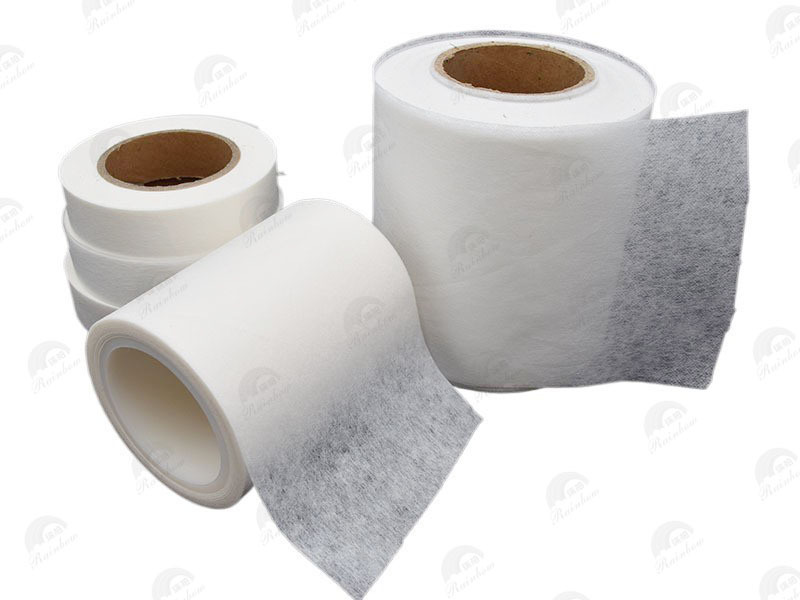
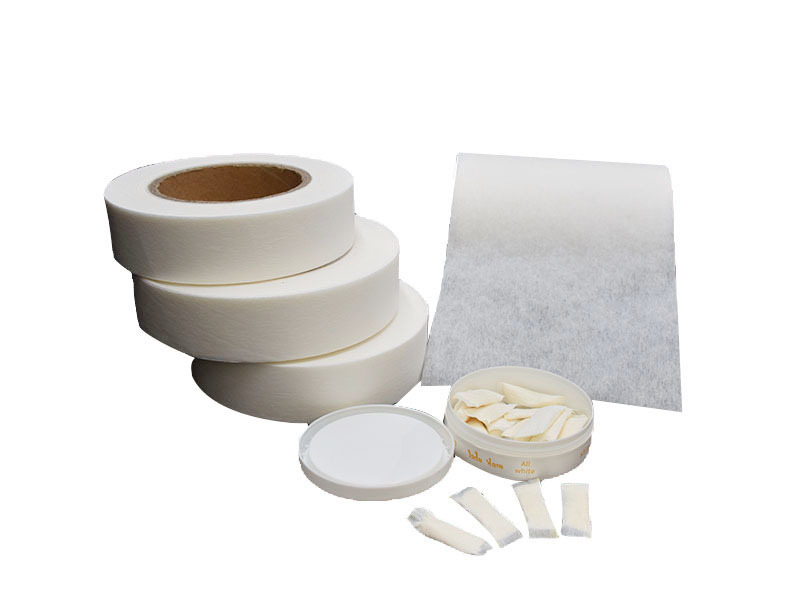
Double sided fusible nonwoven interlining is made from synthetic fibers that are bonded together through a process of heat and pressure. Unlike traditional woven interlining, which consists of yarns woven together, nonwoven interlining is created without the need for weaving, resulting in a fabric that is lighter yet still durable. The "double-sided" aspect refers to the fusible adhesive applied to both sides of the fabric, allowing it to adhere seamlessly to the garment and provide stability.
Benefits of Using Double Sided Fusible Nonwoven Interlining
When it comes to enhancing garment quality, double sided fusible nonwoven interlining offers numerous benefits that can significantly impact the final product.
Enhanced Structure and Stability
One of the primary advantages of using double sided fusible nonwoven interlining is the enhanced structure it provides. The interlining adds a layer of support, ensuring that garments maintain their shape throughout wear. This is particularly beneficial for tailored pieces, where precision and form are critical. Designers can achieve cleaner lines and a more polished finish, resulting in a professional appearance.
Improved Appearance and Finish
In addition to structural benefits, this interlining contributes to an improved appearance. The fused layers create a smooth surface that enhances the overall look of the garment. Designers can achieve uniformity in texture and color, which is essential for high-quality fashion pieces. This characteristic is particularly important for formal wear and high-end garments, where every detail counts.
Versatility in Design Applications
Double sided fusible nonwoven interlining is incredibly versatile. It can be used in a variety of applications, from collars and cuffs to full linings and facings. This flexibility allows designers to explore different styles and techniques without being limited by the characteristics of the interlining. Whether designing tailored suits or casual wear, this interlining adapts well to various fabric types.
Applications in Apparel Design
The use of double sided fusible nonwoven interlining spans multiple sectors of the apparel industry, making it a valuable resource for designers.
Tailoring and Fashion Design
In tailoring, double sided fusible nonwoven interlining is a staple. It is used to reinforce areas that require additional support, such as lapels, waistbands, and shoulders. By employing this material, designers can create garments that not only fit well but also retain their shape over time. The result is a structured silhouette that enhances the overall aesthetic.
Home Textiles and Furnishings
Beyond clothing, double sided fusible nonwoven interlining is also applicable in home textiles. From curtains to upholstery, this material provides the necessary support and durability required for household items. Designers exploring the home furnishings market can leverage the benefits of this interlining to produce high-quality, long-lasting textiles.
Choosing the Right Double Sided Fusible Nonwoven Interlining
Selecting the appropriate type of double sided fusible nonwoven interlining is crucial for achieving the desired effect in garment construction. Factors to consider include the weight, thickness, and fiber content of the interlining. Designers should assess the specific requirements of their project, ensuring compatibility with the outer fabric and the intended use of the garment.
Application Techniques for Optimal Results
To maximize the benefits of double sided fusible nonwoven interlining, proper application techniques are essential. Here are some key methods to ensure a successful bond:
1. **Pre-Washing**: Before applying any interlining, it is advisable to pre-wash the fabric and interlining to prevent shrinkage after construction.
2. **Temperature Settings**: Different types of fabric require different heat settings. Always refer to the manufacturer's instructions for optimal temperature settings.
3. **Pressing Techniques**: Use a pressing cloth to prevent direct contact between the iron and the interlining, which helps avoid damage.
4. **Cooling Period**: Allow the fused areas to cool completely. This ensures that the bond sets effectively, providing long-lasting stability.
By adhering to these techniques, designers can achieve impeccable results that enhance the overall quality of their apparel.
Challenges and Solutions When Working with Nonwoven Interlining
While double sided fusible nonwoven interlining offers numerous advantages, it does come with certain challenges. Understanding these hurdles and their solutions can help designers navigate the complexities of fabric use.
- **Challenge**: Adhesive Residue
**Solution**: Ensure that the iron is set to the appropriate temperature and avoid excessive pressure when pressing the interlining to minimize adhesive transfer.
- **Challenge**: Compatibility Issues
**Solution**: Always conduct a test cut with the interlining and outer fabric to assess how they perform together before committing to the entire project.
- **Challenge**: Limited Stretch
**Solution**: Choose interlining types that offer some degree of stretch if working with elastic or stretch fabrics to maintain the garment's flexibility.
By addressing these challenges proactively, designers can enhance their experience and outcomes when working with double sided fusible nonwoven interlining.
Conclusion
Double sided fusible nonwoven interlining serves as a transformative material in the world of apparel design. With its structural integrity, aesthetic enhancement, and versatility, it allows designers to push the boundaries of their creativity while ensuring their garments meet high standards of quality. As the fashion industry becomes increasingly competitive, adopting innovative materials such as this interlining can provide a significant advantage. By implementing the correct techniques and understanding the various applications, apparel designers can revolutionize their craft, ultimately leading to creations that are both functional and visually stunning.
FAQs
**Q1: What is the main difference between woven and nonwoven interlining?**
A1: Woven interlining is made from yarns woven together, while nonwoven interlining is created by bonding fibers without weaving, making it lighter and more flexible.
**Q2: Can double sided fusible nonwoven interlining be washed?**
A2: Yes, it can withstand washing; however, pre-washing fabrics before application is recommended to prevent shrinkage.
**Q3: How does double-sided fusible nonwoven interlining affect garment fit?**
A3: It enhances the fit by providing structure and stability, ensuring that garments maintain their shape throughout wear.
**Q4: Is double sided fusible nonwoven interlining suitable for stretch fabrics?**
A4: Yes, but it is essential to select a nonwoven interlining that offers some stretch to maintain the flexibility of the garment.
**Q5: How should I store double sided fusible nonwoven interlining?**
A5: Store it in a cool, dry place away from direct sunlight to prevent degradation of the adhesive and fabric.
This comprehensive guide offers a deep dive into the world of double sided fusible nonwoven interlining, establishing it as a vital component for modern apparel designers. By understanding its benefits and applications, designers can elevate their work to new heights, ensuring that their garments stand out in a crowded marketplace.
Double Sided Fusible Nonwoven Interlining
Latest News


Nantong Rainbow Nonwoven Tech Co.,Ltd.
Telephone:+86-13587673537 +86-15851257231
E-mail:chrislc717@163.com christy@ntrainbow.com
sales1@ntrainbow.com
Address: (No. 88, Sanzong South Road) Group 42, Xichansi Village, Xiting Town, Tongzhou District, Nantong City, Jiangsu Province

Copyright©2024 Nantong Rainbow Technology Co., Ltd. | Powered by www.300.cn
Copyright©2024 Nantong Rainbow Technology Co., Ltd.
Powered by www.300.cn