
Unlocking the Benefits of Double Sided Fusible Nonwoven Interlining for Your Sewing Projects
Release time:
2025-04-30
Unlocking the Benefits of Double Sided Fusible Nonwoven Interlining for Your Sewing Projects
Table of Contents
- What is Double Sided Fusible Nonwoven Interlining?
- Benefits of Using Double Sided Fusible Nonwoven Interlining
- Applications in Various Sewing Projects
- How to Use Double Sided Fusible Interlining
- Choosing the Right Type of Fusible Nonwoven Interlining
- Care and Maintenance Tips
- Common Mistakes to Avoid When Using Fusible Interlining
- Frequently Asked Questions (FAQs)
- Conclusion
What is Double Sided Fusible Nonwoven Interlining?
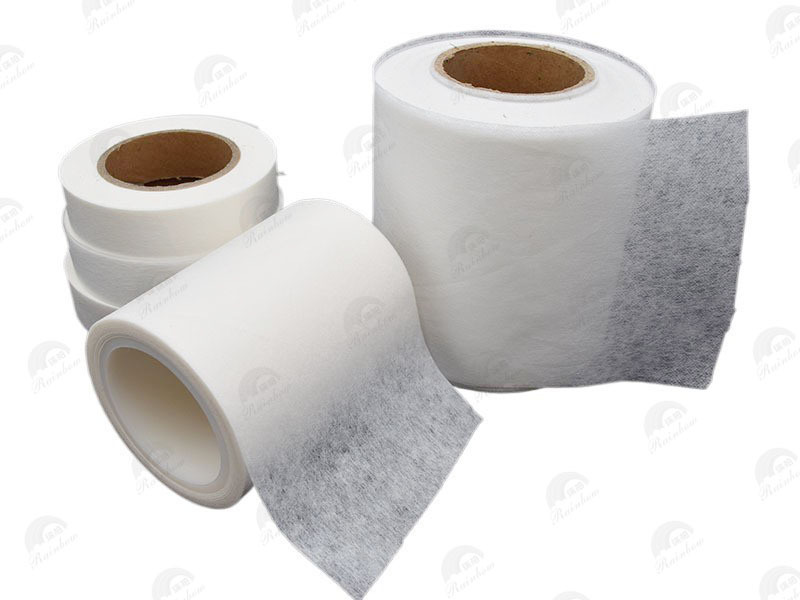
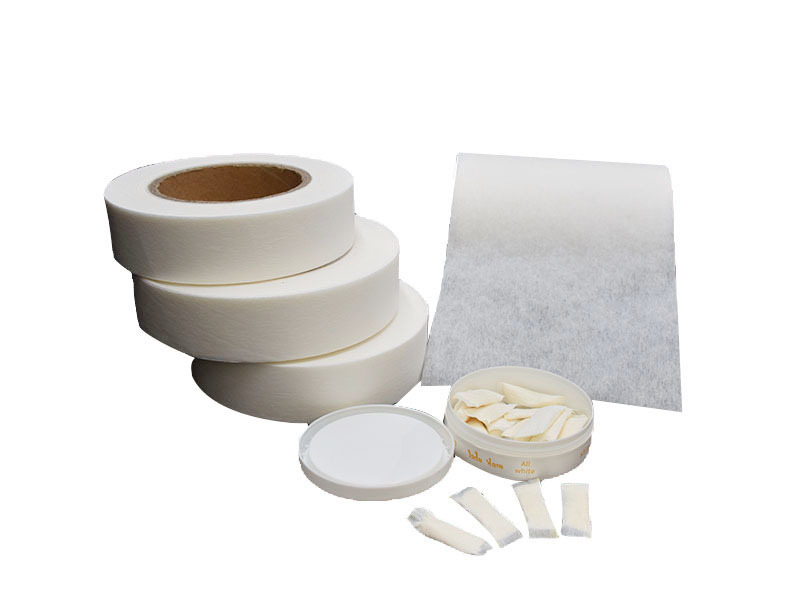
Double sided fusible nonwoven interlining is a lightweight, versatile fabric used to reinforce and stabilize various textiles in sewing projects. This interlining features adhesive on both sides, allowing for easy application to fabric without the need for additional stitching. It is made from synthetic fibers that are bonded together through heat and pressure, creating a durable and flexible material perfect for a range of applications.
This type of interlining is particularly favored for its **ease of use**, as it simplifies the sewing process by eliminating the need for traditional methods of attaching interfacing. By providing structure and support, double sided fusible nonwoven interlining enhances the overall quality of the finished product, making it a staple for both amateur and professional seamstresses.
Benefits of Using Double Sided Fusible Nonwoven Interlining
The advantages of incorporating double sided fusible nonwoven interlining into your sewing projects are numerous. Below, we outline some of the most significant benefits that this material offers.
1. Enhanced Stability and Structure
Double sided fusible nonwoven interlining provides excellent stability to garments and home décor items. It helps maintain the shape of collars, cuffs, and waistbands, ensuring that these essential elements retain their form over time. This stability is especially crucial for structured garments, where precision and fit are paramount.
2. Easy Application Process
One of the standout features of double sided fusible nonwoven interlining is its straightforward application method. Simply place the interlining between the fabric layers, apply heat with an iron, and the adhesive bonds the materials together. This user-friendly process allows both beginners and seasoned sewists to achieve professional results with minimal fuss.
3. Versatile Use Across Projects
This interlining is incredibly versatile, suitable for a variety of projects ranging from clothing to accessories and home textiles. Whether you are crafting tailored suits or lightweight blouses, double sided fusible nonwoven interlining can meet your needs.
4. Lightweight and Breathable
Unlike traditional interfacing materials, double sided fusible nonwoven interlining is lightweight and breathable. This characteristic makes it ideal for garments that require movement and flexibility, ensuring that the finished product remains comfortable to wear.
5. Reduces the Need for Additional Stitching
Using double sided fusible nonwoven interlining minimizes the requirement for extra stitching, allowing for cleaner lines and a more polished finish. This feature is particularly advantageous for those looking to create sleek, professional-looking garments without the cumbersome bulk of additional seams.
Applications in Various Sewing Projects
Double sided fusible nonwoven interlining can be utilized in many sewing projects, making it a versatile addition to any crafter's toolkit. Here are some common applications:
1. Garment Construction
In garment construction, this interlining is ideal for reinforcing areas that require extra support, such as collars, cuffs, and waistbands. It ensures that these components maintain their shape and integrity throughout the wear and wash cycle.
2. Home Décor Items
Double sided fusible nonwoven interlining is also an excellent choice for home décor projects. Use it to stabilize fabric used in cushion covers, curtains, and table linens, giving them a professional finish and enhancing their longevity.
3. Accessories and Bags
When creating bags or accessories, this interlining provides the necessary structure without adding unnecessary weight. It helps maintain the shape of bags, ensuring they are both functional and aesthetically pleasing.
4. Craft Projects
For those engaged in craft projects, double sided fusible nonwoven interlining can be a game-changer. It can be used to create embroidered designs, appliqués, and other embellishments, adding dimension and durability without complicated sewing techniques.
How to Use Double Sided Fusible Interlining
To maximize the benefits of double sided fusible nonwoven interlining, follow these steps for optimal application:
1. Prepare Your Fabric
Before applying the interlining, ensure that the fabric is clean, free of wrinkles, and has been pre-washed if necessary. This preparation will help the adhesive bond properly and prevent any distortion after washing.
2. Cut the Interlining
Cut the double sided fusible nonwoven interlining to the desired size, making sure it extends slightly beyond the edges of the fabric piece it will be attached to. This will allow for secure bonding and help prevent fraying.
3. Position the Interlining
Place the interlining between the two fabric layers, ensuring that the adhesive sides are facing the fabric. Align the edges carefully to avoid misalignment during the bonding process.
4. Apply Heat
Using an iron set to the appropriate temperature for the fabric type, press down on the fabric for approximately 10-15 seconds. Apply firm pressure without sliding the iron to ensure a secure bond. Test a small area first to avoid damaging delicate fabrics.
5. Allow to Cool
Let the bonded fabric cool completely before handling. This cooling period allows the adhesive to set properly, ensuring durability and longevity in your sewing project.
Choosing the Right Type of Fusible Nonwoven Interlining
When selecting double sided fusible nonwoven interlining, consider the following factors to ensure that you choose the best type for your specific project:
1. Weight
Interlinings come in various weights, from lightweight to heavy-duty. Choose a weight that complements your fabric’s weight for optimal results. Lightweight interlining works well for delicate fabrics, while heavier options are suitable for structured garments.
2. Fabric Compatibility
Ensure that the interlining you select is compatible with your fabric type. Some interlinings work better with specific fabrics, such as cotton, silk, or synthetic blends, so refer to manufacturer guidelines for best results.
3. Adhesive Strength
Consider the strength of the adhesive used in the interlining. For high-stress areas, choose interlining with a stronger adhesive to prevent separation over time. Always perform a test application on a fabric scrap to evaluate the adhesive’s performance.
4. Color and Texture
While most interlinings are available in neutral colors, consider whether the color and texture will work well with your fabric. A poorly chosen interlining may show through or alter the drape of your fabric.
Care and Maintenance Tips
To ensure that your sewing projects utilizing double sided fusible nonwoven interlining remain in top condition, consider the following care and maintenance tips:
1. Washing Instructions
Follow the washing instructions for the specific fabric used in your project. Generally, machine washable fabrics should be washed in cold water on a gentle cycle. Avoid using bleach, as it can weaken the adhesive bond.
2. Ironing
When ironing garments made with fusible interlining, be cautious not to apply excessive heat directly to the interlining. Use a pressing cloth to protect the bond and maintain the integrity of the interlining.
3. Storage
Store your finished projects in a cool, dry place to prevent moisture damage. Avoid folding garments with fusible interlining in high-stress areas to maintain their shape.
Common Mistakes to Avoid When Using Fusible Interlining
To ensure successful projects using double sided fusible nonwoven interlining, avoid these common pitfalls:
1. Skipping Pre-washing
Not pre-washing your fabric can lead to shrinkage after the interlining has been applied, resulting in distortion. Pre-wash to minimize these issues and ensure a proper fit.
2. Incorrect Iron Temperature
Using an iron set to the wrong temperature can damage both the interlining and the fabric. Always check the manufacturer’s guidelines for appropriate settings.
3. Insufficient Pressure
Applying insufficient pressure while bonding can result in weak adhesion. Ensure that you apply firm, even pressure with your iron for the best results.
Frequently Asked Questions (FAQs)
1. What is the difference between fusible and non-fusible interlining?
Fusible interlining has an adhesive layer that bonds to the fabric when heat is applied, while non-fusible interlining requires stitching to attach it to the fabric.
2. Can I use double sided fusible nonwoven interlining for stretchy fabrics?
Yes, it is suitable for stretchy fabrics, but ensure you select a lightweight option to maintain the stretch and drape of the fabric.
3. How do I remove fusible interlining if I make a mistake?
Carefully cut the fabric away from the fusible interlining. You may need to use steam to loosen the adhesive bond for easier removal.
4. Is double sided fusible interlining washable?
Yes, it is generally machine washable, but always refer to the specific washing instructions provided by the manufacturer.
5. What types of projects are best suited for double sided fusible nonwoven interlining?
It is ideal for structured garments, home décor, accessories, and craft projects where reinforcement and stability are needed.
Conclusion
In summary, double sided fusible nonwoven interlining is an indispensable tool for anyone engaged in sewing projects. Its benefits—including enhanced stability, easy application, and versatility—make it a preferred choice among sewing enthusiasts. Whether you are crafting garments, home décor, or accessories, understanding how to effectively use this material can elevate your projects and streamline your creative process. By choosing the right type of interlining and following best practices, you can maximize its potential, ensuring that your finished products are not only beautiful but also durable and functional. Embrace the world of double sided fusible nonwoven interlining, and unlock endless possibilities for your sewing endeavors.
Double Sided Fusible Nonwoven Interlining
Latest News


Nantong Rainbow Nonwoven Tech Co.,Ltd.
Telephone:+86-13587673537 +86-15851257231
E-mail:chrislc717@163.com christy@ntrainbow.com
sales1@ntrainbow.com
Address: (No. 88, Sanzong South Road) Group 42, Xichansi Village, Xiting Town, Tongzhou District, Nantong City, Jiangsu Province

Copyright©2024 Nantong Rainbow Technology Co., Ltd. | Powered by www.300.cn
Copyright©2024 Nantong Rainbow Technology Co., Ltd.
Powered by www.300.cn