
Revolutionizing Hair Curling: The Role of Chemical Nonwoven Fabrics
Release time:
2025-04-17
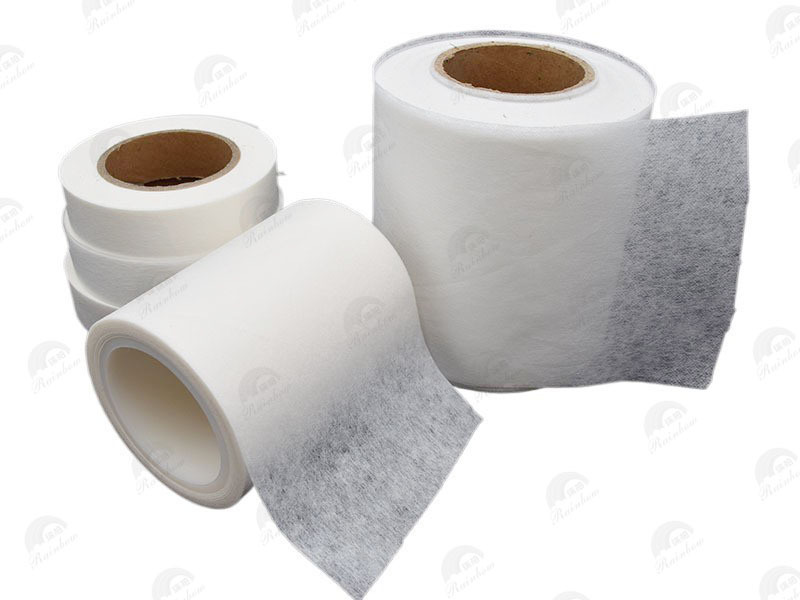
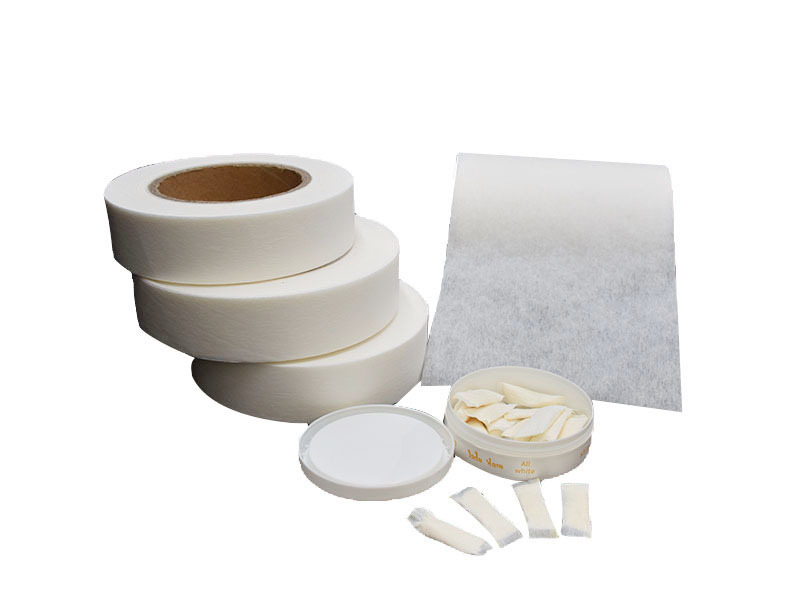
The use of chemical nonwoven fabric for hair curling paper is an exciting development within the textile industry, particularly in the realm of hair care products. Nonwoven fabrics, which are engineered from fibers bonded together through chemical, mechanical, or thermal processes, offer unique properties that can be tailored for specific applications, such as hair curling.
One of the primary benefits of chemical nonwoven fabrics is their versatility. These materials can be designed to exhibit varying degrees of strength, flexibility, and absorbency, making them ideal for use in hair curling papers. The chemical bonding techniques utilized in their production allow for the integration of additives that can improve performance characteristics, such as heat resistance and moisture management. This is particularly important in hair curling applications, where exposure to heat can be detrimental to the integrity of the material.
Moreover, chemical nonwoven fabrics can be manufactured with specific textures and thicknesses, which can influence the curling process. For example, a softer, more pliable fabric may conform better to hair strands, allowing for more uniform curls. Conversely, a sturdier fabric could provide strong support for tighter curls. By optimizing these parameters, manufacturers can create curling papers that enhance the overall user experience, leading to better hair styling results.
Sustainability is another critical aspect to consider when discussing chemical nonwoven fabrics. As consumers become more environmentally conscious, the demand for sustainable materials in all sectors, including hair care, is on the rise. Chemical nonwoven fabrics can be produced using eco-friendly processes and materials, making them a viable option for brands looking to minimize their environmental impact. Additionally, these fabrics can be designed for biodegradability, which can further appeal to an eco-conscious consumer base.
In terms of market potential, the hair care industry is continually expanding, with innovations leading to a broader range of products. By incorporating chemical nonwoven fabrics into hair curling applications, manufacturers can tap into new market segments and attract a wider audience. As trends shift towards personalized hair care solutions, the ability to customize curling papers will likely become a significant competitive advantage.
In conclusion, the integration of chemical nonwoven fabrics into hair curling applications presents numerous opportunities for innovation and market growth. By focusing on the unique properties of these materials and their sustainable potential, businesses can enhance their product offerings and better meet the needs of modern consumers. As the industry continues to evolve, leveraging the advantages of chemical nonwoven fabrics will be key to staying ahead in the competitive landscape of hair care products.
One of the primary benefits of chemical nonwoven fabrics is their versatility. These materials can be designed to exhibit varying degrees of strength, flexibility, and absorbency, making them ideal for use in hair curling papers. The chemical bonding techniques utilized in their production allow for the integration of additives that can improve performance characteristics, such as heat resistance and moisture management. This is particularly important in hair curling applications, where exposure to heat can be detrimental to the integrity of the material.
Moreover, chemical nonwoven fabrics can be manufactured with specific textures and thicknesses, which can influence the curling process. For example, a softer, more pliable fabric may conform better to hair strands, allowing for more uniform curls. Conversely, a sturdier fabric could provide strong support for tighter curls. By optimizing these parameters, manufacturers can create curling papers that enhance the overall user experience, leading to better hair styling results.
Sustainability is another critical aspect to consider when discussing chemical nonwoven fabrics. As consumers become more environmentally conscious, the demand for sustainable materials in all sectors, including hair care, is on the rise. Chemical nonwoven fabrics can be produced using eco-friendly processes and materials, making them a viable option for brands looking to minimize their environmental impact. Additionally, these fabrics can be designed for biodegradability, which can further appeal to an eco-conscious consumer base.
In terms of market potential, the hair care industry is continually expanding, with innovations leading to a broader range of products. By incorporating chemical nonwoven fabrics into hair curling applications, manufacturers can tap into new market segments and attract a wider audience. As trends shift towards personalized hair care solutions, the ability to customize curling papers will likely become a significant competitive advantage.
In conclusion, the integration of chemical nonwoven fabrics into hair curling applications presents numerous opportunities for innovation and market growth. By focusing on the unique properties of these materials and their sustainable potential, businesses can enhance their product offerings and better meet the needs of modern consumers. As the industry continues to evolve, leveraging the advantages of chemical nonwoven fabrics will be key to staying ahead in the competitive landscape of hair care products.
chemical nonwoven fabric for hair curling paper
Latest News


Nantong Rainbow Nonwoven Tech Co.,Ltd.
Telephone:+86-13587673537 +86-15851257231
E-mail:chrislc717@163.com christy@ntrainbow.com
sales1@ntrainbow.com
Address: (No. 88, Sanzong South Road) Group 42, Xichansi Village, Xiting Town, Tongzhou District, Nantong City, Jiangsu Province

Copyright©2024 Nantong Rainbow Technology Co., Ltd. | Powered by www.300.cn
Copyright©2024 Nantong Rainbow Technology Co., Ltd.
Powered by www.300.cn