
Why GRS Certified Nonwoven Interlining is a Game Changer for Sustainable Fashion
Release time:
2025-04-10
Why GRS Certified Nonwoven Interlining is a Game Changer for Sustainable Fashion
Table of Contents
- Introduction to GRS Certified Nonwoven Interlining
- Understanding GRS Certification
- The Sustainability Benefits of GRS Certified Materials
- Applications of Nonwoven Interlining in Fashion
- Comparing GRS Certified to Traditional Interlining Materials
- Challenges and Solutions in Implementing GRS Certified Materials
- The Future of Sustainable Fashion and GRS Certified Solutions
- FAQs about GRS Certified Nonwoven Interlining
- Conclusion: Embracing the Change
Introduction to GRS Certified Nonwoven Interlining
In the ever-evolving realm of **sustainable fashion**, there is a growing need for materials that not only minimize environmental impact but also uphold performance and quality. One such innovation is **GRS Certified Nonwoven Interlining**. This material is not just a fabric; it represents a commitment to eco-friendly practices and responsible production. In this article, we dissect the numerous advantages and applications of GRS certified nonwoven interlining, shedding light on why it is considered a game changer in the sustainable fashion industry.
Understanding GRS Certification
What is GRS Certification?
The Global Recycled Standard (GRS) is an internationally recognized certification that verifies the recycled content of products. It assesses the entire supply chain, ensuring that environmental and social criteria are met throughout the production process. This certification covers various aspects, including **recycling processes, chemical usage, and social responsibility**.
Importance of GRS Certification in Fashion
GRS certification plays a crucial role in the fashion industry by promoting transparency and accountability. Brands can confidently claim to use recycled materials, enabling consumers to make informed choices. By choosing GRS certified nonwoven interlining, fashion brands align themselves with sustainable practices that resonate with eco-conscious consumers.
The Sustainability Benefits of GRS Certified Materials
Reduced Environmental Impact
One of the most significant benefits of GRS certified nonwoven interlining is its **reduced environmental footprint**. This material is produced from recycled fibers, which diminishes the need for virgin materials and conserves natural resources. By opting for GRS certified products, brands contribute to decreased waste and a lower carbon footprint.
Enhanced Resource Efficiency
GRS certification ensures that the manufacturing processes are optimized for **resource efficiency**. This means that water, energy, and other essential resources are utilized more effectively, which leads to less waste and pollution. Sustainable practices such as these are paramount in the fight against climate change.
Promotion of Circular Fashion
The GRS certification fosters a **circular economy** by encouraging the use of recycled materials. This approach not only reduces waste but also promotes innovation in material science, leading to the development of new, sustainable textiles that can be recycled at the end of their life cycle.
Applications of Nonwoven Interlining in Fashion
Versatile Use in Garment Construction
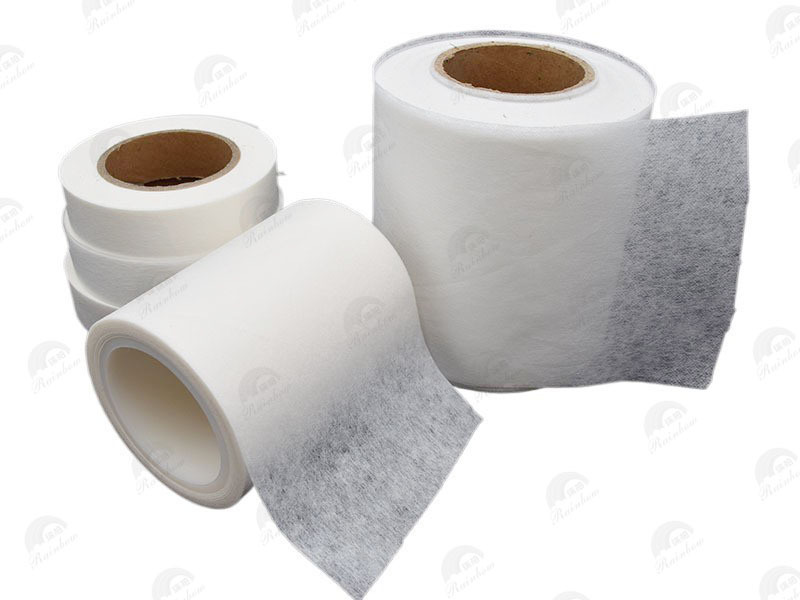
Nonwoven interlining is pivotal in garment construction, providing structure and support to various fashion items. Its lightweight yet robust nature allows designers to create innovative styles without compromising quality. From jackets to skirts, GRS certified nonwoven interlining can enhance the durability and aesthetic of the garment.
Improving Performance in Activewear
In activewear, performance is key. GRS certified nonwoven interlining is engineered to enhance breathability and moisture-wicking properties, essential features for athletic clothing. Brands focusing on environmentally friendly activewear can leverage this interlining to offer high-performance products without sacrificing sustainability.
Eco-Friendly Home Textiles
Beyond fashion, GRS certified nonwoven interlining finds applications in home textiles. From curtains to upholstery, using this sustainable option promotes eco-friendly living spaces. Consumers increasingly seek home textiles that reflect their values, making GRS certified options appealing in the home goods market.
Comparing GRS Certified to Traditional Interlining Materials
Performance and Durability
While traditional interlining materials often rely on synthetic fibers, GRS certified nonwoven options offer comparable, if not superior, performance. They provide excellent durability, enhancing the overall lifespan of garments. This longevity is a key factor for consumers seeking sustainable alternatives.
Cost-Effectiveness in the Long Run
Although GRS certified materials may have a higher initial cost than conventional options, their durability and performance often translate into **cost savings** over time. Brands investing in quality materials will benefit from reduced returns and longer-lasting products, ultimately fostering customer loyalty.
Challenges and Solutions in Implementing GRS Certified Materials
Supply Chain Transparency
One of the challenges brands face is achieving transparency in their supply chains. Ensuring that all components of the production process meet GRS standards can be complex. However, by collaborating with certified suppliers and utilizing traceability technologies, brands can enhance transparency and gain consumer trust.
Consumer Awareness and Education
Many consumers remain unaware of the benefits of GRS certification. Brands must invest in **marketing and education** to inform customers about the importance of sustainable choices. Engaging storytelling and transparent communication can bridge this gap, encouraging consumers to opt for GRS certified products.
The Future of Sustainable Fashion and GRS Certified Solutions
Innovation in Materials
As the demand for sustainable fashion continues to rise, innovations in materials will play a crucial role. GRS certified nonwoven interlining represents just one avenue towards more sustainable practices. The future holds potential for even more advanced materials that prioritize environmental responsibility.
Collaborative Efforts for Impact
The shift towards sustainability in fashion requires collective action from brands, consumers, and governments. By supporting initiatives that promote GRS certification, stakeholders can drive significant change, making sustainable options widely available and affordable.
FAQs about GRS Certified Nonwoven Interlining
What is GRS certification?
GRS certification stands for Global Recycled Standard, which verifies that products contain recycled materials and adhere to environmental and social criteria throughout the supply chain.
Why is GRS certified nonwoven interlining important for sustainable fashion?
It promotes the use of recycled materials, reduces environmental impact, and supports a transparent supply chain, making it a crucial component of sustainable fashion practices.
Can GRS certified nonwoven interlining be used in all types of garments?
Yes, it is versatile enough to be used in various garments, including outerwear, activewear, and home textiles, providing structure and durability.
Are GRS certified materials more expensive than traditional options?
While they may have a higher initial cost, GRS certified materials often offer better durability and performance, leading to cost savings over time.
How can brands promote GRS certified materials to consumers?
Brands can educate consumers through marketing efforts, transparency in product labeling, and storytelling that highlights the benefits of choosing sustainable options.
Conclusion: Embracing the Change
Incorporating **GRS Certified Nonwoven Interlining** into sustainable fashion is more than a trend; it reflects a fundamental shift towards responsible production and consumption. As brands, consumers, and the industry as a whole embrace this change, we pave the way for a future where fashion is synonymous with sustainability. By choosing GRS certified materials, we not only enhance the quality and performance of our garments but also take a significant step towards preserving our planet for future generations. The time to act is now—let's make sustainable fashion the norm, not the exception.
GRS Certified Nonwoven Interlining
Latest News


Nantong Rainbow Nonwoven Tech Co.,Ltd.
Telephone:+86-13587673537 +86-15851257231
E-mail:chrislc717@163.com christy@ntrainbow.com
sales1@ntrainbow.com
Address: (No. 88, Sanzong South Road) Group 42, Xichansi Village, Xiting Town, Tongzhou District, Nantong City, Jiangsu Province

Copyright©2024 Nantong Rainbow Technology Co., Ltd. | Powered by www.300.cn
Copyright©2024 Nantong Rainbow Technology Co., Ltd.
Powered by www.300.cn