
Why Choosing the Right Fusing Interlining Matters for Your Textile Projects
Release time:
2025-04-04
Why Choosing the Right Fusing Interlining Matters for Your Textile Projects
Table of Contents
- Understanding Fusing Interlining: What It Is and Why It’s Important
- Types of Fusing Interlining: A Comprehensive Overview
- The Benefits of Using Fusing Interlining in Textile Projects
- How to Choose the Right Fusing Interlining for Your Fabrics
- Application Techniques for Fusing Interlining: A Step-by-Step Guide
- Common Mistakes to Avoid When Using Fusing Interlining
- Sustainability in Fusing Interlining: What You Need to Know
- Frequently Asked Questions About Fusing Interlining
- Conclusion: Making the Right Choice for Your Textile Projects
Understanding Fusing Interlining: What It Is and Why It’s Important
Fusing interlining, often referred to simply as interlining, plays a crucial role in the textile industry. It is a type of fabric that is applied to the back of a garment or textile to provide support, structure, and shape. By understanding the fundamental aspects of fusing interlining, we can appreciate its significance in enhancing garment quality.
The primary purpose of fusing interlining is to bond two layers of fabric together, creating a more durable and aesthetically pleasing final product. The process involves the use of heat and pressure to adhere the interlining to the fabric, ensuring it remains securely in place. This enhances not only the structural integrity of the garment but also its overall appearance.
Additional benefits of fusing interlining include wrinkle resistance, increased durability, and improved drape. Choosing the right fusing interlining can elevate your textile projects, making them stand out in terms of both functionality and style.
Types of Fusing Interlining: A Comprehensive Overview
When exploring the world of fusing interlining, it’s essential to recognize the various types available, each suited to different applications and fabric types. Here are some of the most common types:
1. Woven Interlining
Woven interlining is made from threads that are woven together, providing a fabric-like feel. It is often used in tailoring and structured garments, as it offers excellent stability and shape retention. The woven texture allows for breathability and comfort, making it ideal for high-quality suits and jackets.
2. Non-Woven Interlining
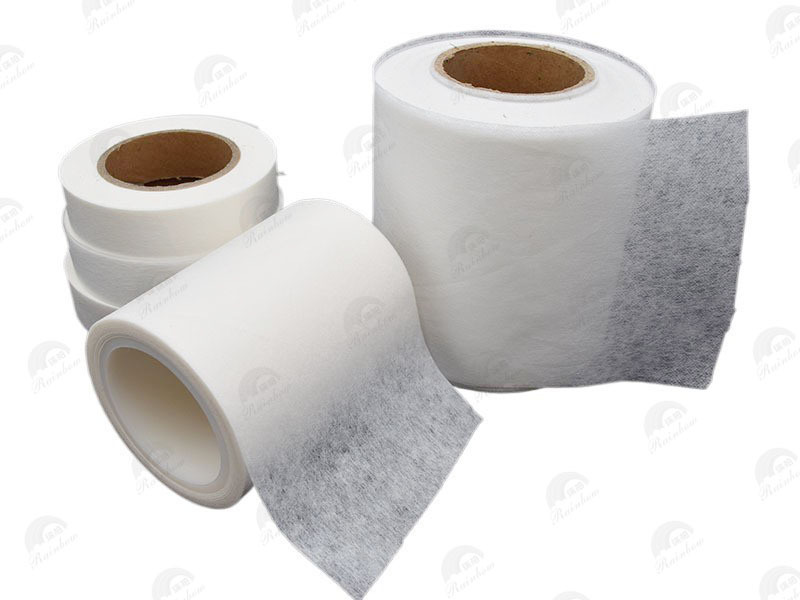
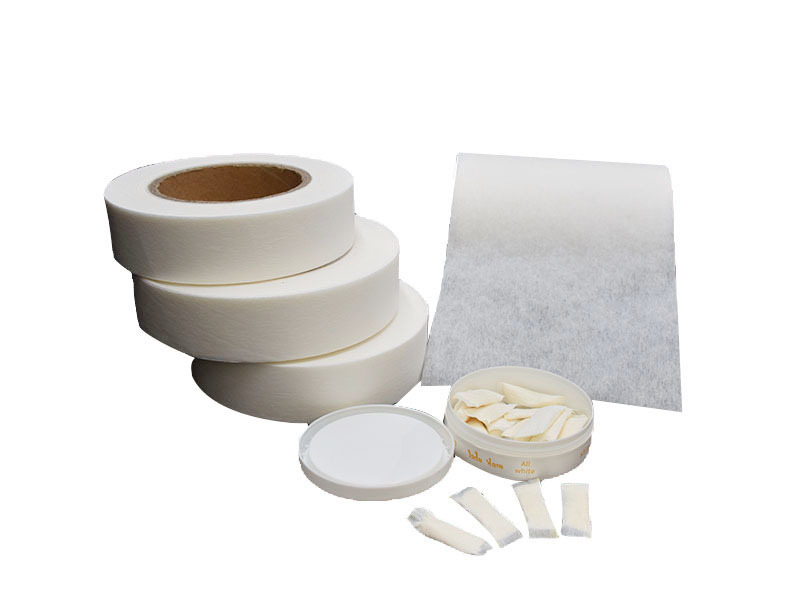
Non-woven interlining is produced through a process that involves bonding fibers together without weaving. This type of interlining is generally more lightweight and flexible than woven options. It is often used for lighter fabrics and is particularly effective in applications where softness and drape are prioritized.
3. Fusible Interlining
Fusible interlining features a heat-activated adhesive on one side, allowing it to bond to the fabric when heat is applied. This type is favored for its ease of use and consistent application. Fusible options come in both woven and non-woven forms, providing versatility for different projects.
4. Knit Interlining
Knit interlining is made from knitted materials, offering stretch and flexibility. It is particularly useful for fabrics that require a bit of give, such as knits and jerseys. This type allows for greater movement while maintaining the structure of the garment.
The Benefits of Using Fusing Interlining in Textile Projects
Incorporating fusing interlining into your textile projects brings a plethora of benefits. Here are some of the key advantages:
1. Enhanced Durability
Fusing interlining increases the longevity of garments by providing additional support. This is especially crucial in areas prone to wear and tear, ensuring that your clothing withstands the test of time.
2. Improved Shape and Structure
The ability of fusing interlining to maintain shape is invaluable, particularly in tailored pieces. It helps garments retain their silhouette, ensuring they look polished and professional.
3. Better Comfort
With the right fusing interlining, comfort is significantly improved. The additional layer can provide softness and reduce friction against the skin, making garments more enjoyable to wear.
4. Versatile Application
Fusing interlining can be used across various textile projects, from garments to home décor items. Its versatility allows designers to experiment with different fabrics and styles.
5. Aesthetic Appeal
Fusing interlining can enhance the overall appearance of a garment. By providing a smooth finish and better drape, it contributes to a more polished look.
How to Choose the Right Fusing Interlining for Your Fabrics
Selecting the appropriate fusing interlining can be daunting, given the array of options available. Here are some factors to consider when making your choice:
1. Fabric Type
The first consideration should be the type of fabric you are working with. Heavier fabrics often benefit from woven interlining, while lighter fabrics may require non-woven options. Understanding the characteristics of your fabric will guide you in choosing the right interlining.
2. Desired Finish
Consider the finish you wish to achieve. If you are aiming for a structured look, opt for stiffer interlining. Conversely, if you want a softer drape, choose a more flexible option.
3. Application Method
Different types of interlining require different application methods. Ensure you are familiar with the techniques needed for the specific interlining you select, such as heat application for fusible options.
4. Weight of the Interlining
The weight of the interlining is equally important. Match the weight of the interlining to the weight of your fabric to ensure compatibility and optimal performance.
5. Project Purpose
Consider the end use of your project. If it requires more support and structure, a heavier, sturdier interlining will be necessary. For casual wear, lighter options may be more appropriate.
Application Techniques for Fusing Interlining: A Step-by-Step Guide
Applying fusing interlining correctly is essential to achieve the best results. Here’s a step-by-step guide to help ensure successful application:
1. Prepare Your Fabrics
Begin by pre-washing and pressing your outer fabric to remove any creases. This preparation step ensures that the fusing interlining adheres properly.
2. Cut the Interlining to Size
Cut the interlining to match the dimensions of the areas you wish to strengthen. It’s often advisable to cut slightly smaller than the outer fabric to prevent peeking out from the edges.
3. Position the Interlining
Lay the interlining adhesive side down onto the wrong side of the outer fabric. Make sure it is evenly positioned and aligned with the edges.
4. Apply Heat
Using an iron set to the appropriate temperature for the interlining, press down firmly on the fabric. Use a pressing cloth to protect both the iron and the fabric. Hold for the recommended time, ensuring the adhesive melts and bonds with the fabric.
5. Allow to Cool
Once the interlining has been applied, allow it to cool completely before moving on to any additional sewing steps. This cooling period helps to set the bond permanently.
6. Trim Excess
After cooling, trim any excess interlining that may extend beyond the fabric edges for a clean finish.
Common Mistakes to Avoid When Using Fusing Interlining
Avoiding pitfalls in fusing interlining application is crucial for achieving high-quality results. Here are some common mistakes to be aware of:
1. Ignoring Fabric Compatibility
Failing to consider fabric compatibility can lead to undesirable results. Always choose an interlining that complements your fabric’s characteristics.
2. Incorrect Temperature Settings
Using the wrong heat settings for your interlining can ruin the fabric. Always follow the manufacturer’s guidelines for optimal results.
3. Skipping the Pre-Washing Step
Neglecting to pre-wash your fabrics can cause issues later on. Pre-washing removes any shrinkage or impurities that could affect the bond.
4. Overheating the Interlining
Applying too much heat can scorch the fabric or damage the interlining. Be mindful of the duration and temperature setting during application.
5. Underestimating Cool Time
Rushing the cooling process can compromise the bond. Always allow sufficient time for the interlining to set properly.
Sustainability in Fusing Interlining: What You Need to Know
As awareness of environmental impact grows, sustainability in textile production becomes increasingly important. Selecting eco-friendly fusing interlining options can contribute to a more sustainable industry. Here are some factors to consider:
1. Material Sourcing
Look for interlining produced from sustainable materials, such as organic cotton or recycled fibers. These options help reduce waste and environmental harm.
2. Manufacturing Processes
Consider brands that prioritize sustainable manufacturing processes, such as low-energy production methods and reduced chemical usage.
3. Certifications
Choose interlining products that come with environmental certifications, indicating compliance with sustainable practices and standards.
4. Biodegradability
Opt for biodegradable interlining options whenever possible. This ensures that the product will break down naturally at the end of its life cycle.
Frequently Asked Questions About Fusing Interlining
1. What is the difference between fusible and non-fusible interlining?
Fusible interlining has an adhesive that bonds to the fabric when heat is applied, while non-fusible interlining does not have this adhesive and must be sewn in place.
2. Can I use fusing interlining on all types of fabric?
While many fabrics can accommodate fusing interlining, it’s essential to consider the fabric type and weight to ensure proper adhesion and results.
3. How do I know which weight of interlining to choose?
Choose an interlining weight that matches or is slightly lighter than your outer fabric to ensure a balanced and harmonious finish.
4. Is it possible to remove fusing interlining?
Removing fusing interlining can be challenging, but it can be done using steam and careful peeling. However, this may damage the outer fabric, so it’s best to avoid mistakes during the initial application.
5. What should I do if my interlining doesn’t adhere properly?
If interlining doesn’t stick, check your heat settings and try again using the correct temperature. If problems persist, ensure you are using compatible fabrics and interlining.
Conclusion: Making the Right Choice for Your Textile Projects
In conclusion, choosing the right fusing interlining is paramount for achieving high-quality results in your textile projects. From enhancing durability and structure to improving comfort and aesthetic appeal, the right interlining can make a significant difference. By understanding the various types of fusing interlining, their benefits, and effective application techniques, you are better equipped to make informed decisions that elevate your creations.
Whether you are a seasoned professional or a passionate hobbyist, investing time in selecting and applying the appropriate fusing interlining will undoubtedly lead to superior outcomes in your textile endeavors. Embrace the opportunity to explore the diverse options available, and let your creativity flourish with the knowledge that your projects are built on a solid foundation.
Scatter Fused embroidery Stabilizer fusing interlining
Latest News


Nantong Rainbow Nonwoven Tech Co.,Ltd.
Telephone:+86-13587673537 +86-15851257231
E-mail:chrislc717@163.com christy@ntrainbow.com
sales1@ntrainbow.com
Address: (No. 88, Sanzong South Road) Group 42, Xichansi Village, Xiting Town, Tongzhou District, Nantong City, Jiangsu Province

Copyright©2024 Nantong Rainbow Technology Co., Ltd. | Powered by www.300.cn
Copyright©2024 Nantong Rainbow Technology Co., Ltd.
Powered by www.300.cn